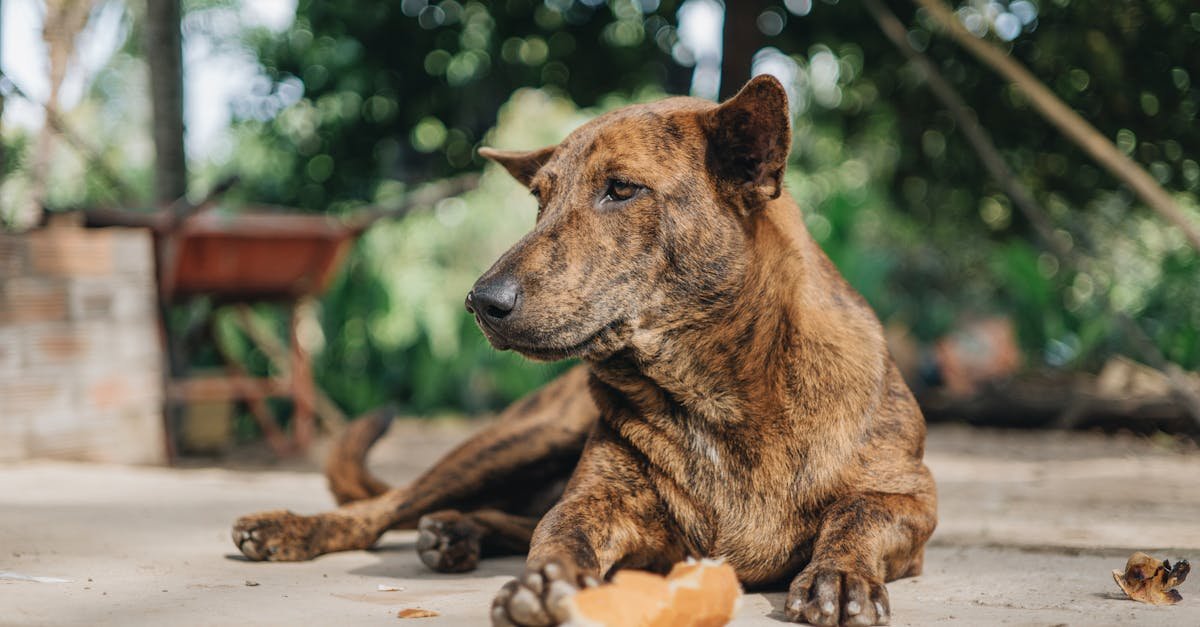
Author: All SmallDogs

  • Can Dogs Eat Bell Peppers?

    Can Dogs Eat Bell Peppers?

    As devoted pet owners, we’re always on the lookout for healthy treats to share with our furry friends. Bell peppers, with their vibrant colors and crunchy texture, might catch your eye in the kitchen. But can dogs eat bell peppers safely? In this comprehensive guide, we’ll explore everything you need to know about feeding bell peppers to dogs. From their nutritional perks to potential risks, we’ll help you decide if this veggie deserves a spot in your pup’s diet. Stick around as we break it down step by step, ensuring you have the facts to keep your dog happy and healthy.

    Key Takeaways

    • Dogs can safely eat bell peppers as a non-toxic, low-calorie treat when given in moderation.
    • Bell peppers provide nutritional benefits like vitamin C, antioxidants, fiber, and hydration to support your dog’s immune health and digestion.
    • Opt for red, yellow, or orange bell peppers for the highest nutrient levels, while green ones are still safe but less sweet.
    • Prepare bell peppers by washing, removing stems, seeds, and skins, and serving them plain, raw, or steamed to avoid risks.
    • Start with small portions of bell peppers to monitor for digestive issues or rare allergies, and consult a vet for personalized advice.

    Are Bell Peppers Safe for Dogs?

    When it comes to sharing human foods with our canine companions, safety is our top priority. We’re happy to report that yes, bell peppers are generally safe for dogs to eat. Unlike some vegetables that can be toxic, bell peppers don’t contain harmful compounds like those found in onions or grapes. In fact, they’re non-toxic and can be a fun, low-calorie addition to your dog’s meals.

    That said, we always recommend moderation. Not every dog will react the same way, and introducing any new food should be done gradually. We’ve seen cases where dogs with sensitive stomachs experience mild upset, but overall, bell peppers get a green light from veterinarians. According to the American Kennel Club, bell peppers are safe as long as they’re plain and prepared properly. We advise consulting your vet before making changes to your dog’s diet, especially if they have pre-existing health conditions.You can learn more about can-dogs-eat-rice

    One key point we emphasize is to avoid seasoned or cooked bell peppers that might include oils, spices, or other ingredients harmful to dogs. Stick to fresh, raw pieces for the safest option. By doing so, you’re providing a treat that’s not only safe but also engaging for your dog’s senses.

    Nutritional Benefits of Bell Peppers for Dogs

    Vitamins and Antioxidants

    Bell peppers pack a punch when it comes to vitamins, making them a nutritious choice for dogs. We’re talking about high levels of vitamin C, which supports immune function and helps with collagen production for healthy skin and joints. Unlike humans, dogs can produce their own vitamin C, but an extra boost from bell peppers can still be beneficial, especially for older pups or those under stress.

    Antioxidants like beta-carotene are another highlight. These compounds fight free radicals, potentially reducing inflammation and supporting eye health. In red bell peppers, for instance, the beta-carotene converts to vitamin A in the body, which is essential for vision and immune health. We’ve found that incorporating these veggies can contribute to a well-rounded diet, helping our dogs stay vibrant and active.

    Fiber and Hydration

    Don’t overlook the fiber content in bell peppers, it’s great for digestive health. Soluble fiber helps regulate bowel movements and can prevent constipation in dogs. We often recommend fiber-rich treats like bell peppers for pups on weight management plans, as they add bulk without many calories.You can learn more about can-dogs-eat-corn

    Hydration is another perk, thanks to the high water content in bell peppers (around 92%). This makes them an excellent snack during hot weather or for dogs who don’t drink enough water. In our experience, chopping up some bell pepper can encourage hydration while providing a satisfying crunch that dogs love.

    Potential Risks and Side Effects

    Digestive Concerns

    While bell peppers are safe, they’re not without potential downsides. Some dogs may experience digestive issues, especially if they’re not used to high-fiber foods. We warn that introducing bell peppers too quickly could lead to gas, bloating, or diarrhea. Start with small amounts to gauge your dog’s tolerance.

    The skin of bell peppers can be tough for some dogs to digest, potentially causing stomach upset. We’ve heard from pet owners whose dogs had loose stools after eating large pieces. To minimize this, we suggest removing the skin or finely chopping the peppers.

    Allergies and Toxic Parts

    Allergies to bell peppers are rare in dogs, but they’re possible. Watch for signs like itching, swelling, or hives after consumption. If your dog shows any allergic reaction, stop feeding them immediately and consult a vet.You can learn more about how-cold-is-too-cold-for-dogs

    Importantly, avoid the toxic parts: the stems, seeds, and leaves contain solanine, which can be harmful in large quantities. We always remove these before serving. Also, steer clear of spicy varieties like hot peppers, as capsaicin can irritate a dog’s digestive system and cause pain.

    Types of Bell Peppers and Their Suitability

    Red, Yellow, and Orange Varieties

    These colorful bell peppers are the ripest and often the sweetest, making them highly suitable for dogs. Red bell peppers, in particular, boast the highest nutrient density with more vitamin C and antioxidants than their greener counterparts. We love recommending them for their palatability, most dogs enjoy the milder flavor.

    Yellow and orange varieties offer similar benefits, with ample beta-carotene for eye health. They’re low in calories (about 30 per cup) and can be a great treat for overweight dogs. In our view, these are the top picks for adding variety to your dog’s diet without risks.

    Green Bell Peppers

    Green bell peppers are simply unripe versions of the others, which means they’re slightly more bitter and less nutrient-rich. But, they’re still safe for dogs and provide decent fiber and vitamins. We find that some dogs prefer the crunch of green peppers, but others might turn up their noses due to the taste.You can learn more about how-much-benadryl-for-dogs

    One thing to note is their higher solanine content compared to ripe peppers, though it’s minimal and not a concern in moderation. If your dog likes them, go ahead, but we suggest mixing with sweeter varieties for better acceptance.

    How to Prepare and Serve Bell Peppers to Dogs

    Preparation Tips

    Preparing bell peppers for your dog is straightforward, but we have a few tips to ensure safety and enjoyment. First, wash them thoroughly to remove any pesticides or residues. Remove the stem, seeds, and core, these parts aren’t digestible and could pose choking hazards.

    You can serve them raw for maximum crunch, or lightly steam them to soften if your dog has dental issues. We avoid cooking with oils or seasonings: plain is best. Try chopping into small pieces or strips to prevent gulping. For fun, stuff bell pepper slices with dog-safe fillings like peanut butter.

    Recommended Portions

    Portion control is key to avoiding digestive woes. For small dogs, we suggest starting with 1-2 tablespoons of chopped bell pepper per day. Medium to large breeds can handle up to a quarter cup. Always monitor your dog’s reaction and adjust accordingly.

    Remember, treats like bell peppers should make up no more than 10% of your dog’s daily caloric intake. We integrate them as occasional snacks rather than meal replacements to maintain a balanced diet.You can learn more about how-to-induce-vomiting-in-dogs

    Conclusion

    In wrapping up, we’ve covered the ins and outs of whether dogs can eat bell peppers, and the answer is a resounding yes, with some caveats. These veggies offer fantastic nutritional benefits, from vitamins to fiber, but it’s crucial to prepare them properly and watch for any adverse reactions. By following our guidelines, you can safely introduce bell peppers into your dog’s routine for a healthy, varied diet.

    Eventually, every dog is unique, so we encourage consulting your veterinarian for personalized advice. If you’re looking to expand your pup’s menu, bell peppers are a smart, colorful choice. Share your experiences with us, has your dog tried them? Let’s keep our furry friends thriving together.

    Frequently Asked Questions

    Can dogs eat bell peppers safely?

    Yes, bell peppers are generally safe for dogs and non-toxic, unlike harmful foods like onions or grapes. They can be a low-calorie treat when given in moderation. Always introduce them gradually to avoid digestive upset, and consult your vet, especially for dogs with health conditions. Stick to plain, fresh pieces without seasonings.

    What are the nutritional benefits of bell peppers for dogs?

    Bell peppers offer vitamins like C and A, supporting immune function, skin health, and vision. They’re rich in antioxidants to reduce inflammation and fiber for digestive health and constipation prevention. With high water content, they aid hydration, making them ideal for weight management and active dogs.

    What risks come with feeding bell peppers to dogs?

    Potential risks include digestive issues like gas, bloating, or diarrhea from high fiber, especially if introduced quickly. The skin may be tough to digest, and rare allergies could cause itching or swelling. Avoid stems, seeds, and leaves due to solanine, and skip spicy varieties to prevent irritation.

    How should I prepare bell peppers for my dog?

    Wash bell peppers thoroughly, remove stems, seeds, and core to prevent choking and toxicity. Serve raw for crunch or lightly steam for softer texture. Chop into small pieces and avoid oils or spices. Start with small portions: 1-2 tablespoons for small dogs, up to a quarter cup for larger breeds, limiting to 10% of daily calories.You can learn more about how-to-treat-dog-ear-infection-without-vet

    Can dogs eat green bell peppers?

    Yes, green bell peppers are safe for dogs, providing fiber and vitamins, though they’re less nutrient-rich and more bitter than red, yellow, or orange varieties. They have slightly higher solanine but are fine in moderation. Mix with sweeter types if your dog dislikes the taste for better acceptance.

    Are bell peppers good for dogs with diabetes?

    Bell peppers can benefit dogs with diabetes due to their low calorie count, high fiber for blood sugar regulation, and antioxidants. They provide a healthy, low-glycemic snack that supports weight control. However, always consult a vet to integrate them into a diabetic dog’s diet plan safely and effectively.


  • Can Dogs Eat Rice?

    Can Dogs Eat Rice?

    As pet owners, we’re always curious about what human foods we can safely share with our furry friends. One common question that pops up is, “Can dogs eat rice?” It’s a staple in many households, and you might wonder if it’s a good addition to your dog’s diet. In this text, we’ll dive deep into the nutritional aspects, benefits, potential risks, and best practices for feeding rice to dogs. Drawing from veterinary insights and nutritional science, we’ll help you make informed decisions to keep your pup healthy and happy. Whether you’re dealing with a picky eater or looking for bland diet options during tummy troubles, understanding if and how dogs can eat rice is essential. Stick with us as we break it all down.

    Key Takeaways

    • Dogs can safely eat rice as a source of easily digestible carbohydrates and some vitamins, but it should supplement a balanced diet rather than replace it.
    • White rice is ideal for dogs with upset stomachs due to its easy digestibility, while brown rice offers more nutrients for long-term health.
    • Feeding rice to dogs provides benefits like soothing gastrointestinal issues, aiding weight management, and adding variety to meals for picky eaters.
    • Avoid potential risks by serving plain, cooked rice in moderation to prevent obesity, digestive upset, or rare allergic reactions.
    • Prepare rice for dogs by rinsing and boiling it without seasonings, and limit portions to no more than 10% of their daily intake.
    • Consult a veterinarian before introducing rice, especially for dogs with allergies, diabetes, or persistent digestive problems.

    Nutritional Value of Rice for Dogs

    Rice is a grain that’s been a dietary staple for humans for centuries, but what about our canine companions? When we consider the nutritional value of rice for dogs, it’s important to look at its composition. Primarily, rice is a source of carbohydrates, providing energy through easily digestible starches. It contains small amounts of protein, though not as much as meat or other animal-based foods.You can learn more about how-long-can-a-dog-go-without-water

    In terms of vitamins and minerals, rice offers B vitamins like thiamine and niacin, which support energy metabolism and nervous system health. It also has traces of iron, magnesium, and manganese. But, rice isn’t a complete food for dogs: it lacks essential amino acids and fats that dogs need for a balanced diet. We often recommend it as a supplement rather than a primary ingredient.

    From an SEO perspective, if you’re searching for “can dogs eat rice,” know that plain, cooked rice can be a gentle carb source, especially for dogs with sensitive stomachs. But remember, the nutritional punch varies by type, white rice is more processed and less nutrient-dense than brown rice. We’ll explore that more later. Overall, rice can contribute to your dog’s nutrition when used thoughtfully, helping with calorie intake without overwhelming their system.You can learn more about how-much-zyrtec-can-i-give-my-dog

    Benefits of Feeding Rice to Dogs

    Feeding rice to dogs comes with several benefits that we’ve seen in our experience with pet nutrition. First off, it’s an excellent option for dogs recovering from gastrointestinal issues. Veterinarians often suggest a bland diet of rice and boiled chicken to soothe upset stomachs, as rice is easy to digest and can help firm up loose stools.You can learn more about how-much-bendryl-can-a-dog-have

    Another perk is its role in weight management. For overweight dogs, rice can provide filling bulk without excessive calories, especially when mixed with veggies or lean proteins. It’s also hypoallergenic for many dogs, making it a safe choice for those with food sensitivities to common allergens like wheat or corn.

    We appreciate how rice can add variety to a dog’s meal. If your pup is a finicky eater, incorporating a bit of cooked rice might encourage them to finish their food. Plus, for active dogs, the carbs in rice offer a quick energy boost. Studies from sources like the American Kennel Club support that moderate rice inclusion supports overall digestive health. Just ensure it’s part of a balanced diet, rice alone won’t cut it, but as an addition, it shines.You can learn more about how-long-can-dogs-go-without-food

    Potential Risks and Side Effects

    While rice can be beneficial, we’re upfront about the potential risks and side effects of feeding it to dogs. Not every dog will react the same way, and overdoing it could lead to problems. For instance, excessive rice might contribute to obesity if it’s high in calories without balancing exercise.

    Digestive Issues

    One common concern is digestive upset. If rice isn’t cooked properly or if your dog eats too much at once, it could cause bloating, gas, or constipation. Brown rice, with its higher fiber content, might exacerbate diarrhea in sensitive pups if introduced suddenly. We advise starting small to monitor how your dog handles it.You can learn more about how-much-does-it-cost-to-spay-a-dog

    Allergies and Sensitivities

    Though rare, some dogs may have allergies to rice, showing symptoms like itchy skin, ear infections, or vomiting. If your dog has a history of grain sensitivities, rice might not be ideal. Always watch for signs of adverse reactions, and consult a vet if you notice anything off. In our view, these risks are minimal with moderation, but awareness is key when asking, “can dogs eat rice?”

    Types of Rice Safe for Dogs

    Not all rice is created equal when it comes to our dogs’ diets. We believe in choosing the right type to maximize benefits and minimize risks. Generally, plain, cooked rice without seasonings is safe, but let’s break down the varieties.

    White Rice vs. Brown Rice

    White rice is refined, with the hull removed, making it easier to digest and a go-to for upset tummies. It’s lower in fiber, which is great for dogs with diarrhea. Brown rice, on the other hand, retains its bran layer, offering more fiber, vitamins, and minerals like selenium. It’s better for long-term nutrition but can be harder on the gut if your dog isn’t used to it. We often recommend white for short-term use and brown for added nutrients in healthy dogs.

    Other Varieties

    Beyond basics, basmati or jasmine rice can be fine if plain and cooked. Avoid wild rice, which is actually a grass seed and might be too fibrous. Instant or flavored rices are a no-go due to additives like salt or onions, which are toxic to dogs. Stick to simple options to ensure safety when feeding rice.

    How to Prepare and Serve Rice to Dogs

    Preparing rice for dogs is straightforward, but we emphasize doing it right to avoid issues. Start with rinsing the rice to remove excess starch, then cook it in plain water, no butter, salt, or spices. Boiling until soft ensures it’s digestible.

    Serve it mixed with your dog’s regular food or as part of a bland meal. For example, combine it with boiled lean meat for a soothing diet. We suggest cooling it to room temperature to prevent burns.

    Portion Sizes and Frequency

    Portion sizes depend on your dog’s size and needs. For a small dog, 1-2 tablespoons per meal: for larger breeds, up to a cup. Frequency-wise, rice shouldn’t exceed 10% of their daily intake to maintain balance. Feed it occasionally or as needed for health issues, not daily, to prevent nutritional gaps. Always adjust based on your vet’s advice.

    When to Consult a Veterinarian

    Even with something as simple as rice, there are times when we strongly recommend consulting a veterinarian. If your dog shows persistent digestive problems like vomiting or diarrhea after eating rice, it could signal an underlying issue. Puppies, seniors, or dogs with conditions like diabetes might need tailored advice, as rice’s carbs could affect blood sugar.

    We also advise a vet check if you’re introducing rice to a dog with known allergies or if you’re unsure about portions. In emergencies, like if your dog ingests seasoned rice with harmful ingredients, seek immediate help. Regular check-ups ensure that adding rice fits into your dog’s overall health plan. Remember, while we share general knowledge, professional input is invaluable.

    Conclusion

    In wrapping up, we’ve explored the ins and outs of whether dogs can eat rice, from its nutritional value to preparation tips. It’s clear that rice can be a safe, beneficial addition to your dog’s diet when used wisely, offering digestive relief and energy without major downsides for most pups. But, moderation and monitoring are key to avoiding risks. We encourage you to experiment thoughtfully and always prioritize your dog’s unique needs. If in doubt, chat with your vet. By incorporating rice appropriately, you’re taking a step toward better pet nutrition. Thanks for reading, here’s to happy, healthy dogs.how-much-does-it-cost-to-put-a-dog-down

    Frequently Asked Questions

    Can dogs eat rice safely?

    Yes, dogs can eat rice safely when it’s plain and cooked. It’s a good source of carbohydrates for energy and can help with digestive issues like upset stomachs. However, it should be given in moderation as part of a balanced diet, not as the main food, to avoid nutritional deficiencies.

    What are the benefits of feeding rice to dogs?

    Feeding rice to dogs offers benefits like aiding digestion during gastrointestinal troubles, providing quick energy for active pups, and helping with weight management by adding bulk without excess calories. It’s also hypoallergenic for many dogs and can encourage picky eaters to finish meals, according to veterinary insights.

    Are there any risks when dogs eat rice?

    While generally safe, risks include digestive issues like bloating or constipation if overfed or not cooked properly. Some dogs may have rare allergies, showing symptoms like itching or vomiting. Excessive rice can lead to obesity, so monitor portions and consult a vet for dogs with sensitivities.

    What types of rice are best for dogs?

    White rice is ideal for dogs with sensitive stomachs due to its easy digestibility and low fiber. Brown rice provides more nutrients like fiber and vitamins but may be harder to digest. Stick to plain, cooked varieties like basmati; avoid flavored or instant rice with additives harmful to dogs.

    How much rice can I feed my dog daily?

    Portion sizes vary by dog size: 1-2 tablespoons for small dogs and up to a cup for larger breeds, not exceeding 10% of daily intake. Feed occasionally, not daily, to maintain nutritional balance. For dogs with conditions like diabetes, limit carbs as they can affect blood sugar—consult a vet for personalized advice.

    Can dogs eat rice if they have allergies to grains?

    Rice is often hypoallergenic compared to grains like wheat or corn, but some dogs may still be sensitive. If your dog has grain allergies, test small amounts and watch for reactions like skin irritation. Alternatives include grain-free options like sweet potatoes; always seek veterinary guidance for allergy management.

  • Can Dogs Eat Corn?

    Can Dogs Eat Corn?

    As dog owners, we’re always curious about what human foods we can safely share with our furry friends. One common question that pops up is, ‘Can dogs eat corn?’ It’s a staple in many households, showing up in everything from summertime barbecues to cozy winter soups. But before you toss a kernel or two to your pup, it’s essential to understand the ins and outs. In this text, we’ll dive deep into whether corn is safe for dogs, break down its nutritional value, offer tips on how to feed it properly, and highlight when to watch out for issues. Our goal is to equip you with the knowledge to make informed decisions for your dog’s health and happiness.

    Key Takeaways

    • Dogs can safely eat plain corn kernels in moderation, providing energy from carbohydrates and benefits like healthy skin from essential fatty acids.
    • Avoid giving dogs corn on the cob to prevent choking hazards and potential intestinal blockages that may require surgery.
    • Monitor your dog for adverse reactions like digestive upset or allergies when introducing corn, and consult a vet if issues arise.
    • Prepare corn for dogs by boiling or steaming without seasonings, and limit portions to no more than 10% of their daily calories.
    • Corn offers vitamins and antioxidants that support immune health, but it should be an occasional treat rather than a dietary staple.

    Is Corn Safe for Dogs?

    Corn can be a safe treat for dogs when given in moderation and prepared correctly, but it’s not without its caveats. We’ve seen many pet parents wondering about this, especially during corn-on-the-cob season. Generally, plain corn kernels are non-toxic to dogs, and many commercial dog foods even include corn as an ingredient. But, the key is understanding the form and quantity. Let’s explore the potential upsides and the risks involved.You can learn more how-often-do-dogs-require-rabies-shots

    Potential Benefits of Corn for Dogs

    Corn isn’t just filler: it offers some genuine nutritional perks that can complement your dog’s diet. For starters, it’s a good source of energy-providing carbohydrates, which can be beneficial for active dogs who need that extra boost during playtime or hikes. We’ve noticed that corn provides essential fatty acids like linoleic acid, which supports healthy skin and a shiny coat. Plus, it’s packed with antioxidants such as beta-carotene, which can help with eye health and immune function. In small amounts, corn can add variety to your dog’s meals, making them more exciting without straying from balanced nutrition. Just remember, it’s best as an occasional treat rather than a dietary staple.You can learn more how-much-to-spay-a-dog

    Common Risks and Dangers

    That said, corn isn’t risk-free. One of the biggest dangers is corn on the cob, dogs can choke on the cob or suffer intestinal blockages if they swallow pieces, which might require emergency surgery. We’ve heard too many stories from vets about this exact issue. Also, some dogs may have allergies to corn, leading to itchy skin or digestive upset. Processed corn products, like those with added salt, butter, or seasonings, can be harmful due to high sodium or toxic ingredients like garlic. Overfeeding corn can also contribute to obesity since it’s calorie-dense. Always monitor your dog for any adverse reactions and consult our tips later in this text for safe feeding practices.You can learn more how-many-nipples-does-a-dog-have

    Nutritional Breakdown of Corn

    To truly answer ‘can dogs eat corn,’ we need to look at what corn brings to the table nutritionally. Corn is more than just a sweet veggie: it’s a complex food with various components that can impact your dog’s health. We’ll break it down into key categories to give you a clear picture.

    Vitamins and Minerals

    Corn is rich in several vitamins and minerals that support overall canine wellness. It contains vitamin A, which is crucial for vision and immune health, and vitamin E, an antioxidant that protects cells from damage. Minerals like magnesium and potassium in corn help with muscle function and heart health. We’ve found that these nutrients can be a nice supplement, especially if your dog’s regular diet lacks variety. But, corn isn’t a powerhouse compared to other veggies like carrots or spinach, so it shouldn’t replace more nutrient-dense options.

    Carbohydrates and Fiber

    The bulk of corn’s nutrition comes from its carbohydrates and fiber content. Carbs provide quick energy, making corn suitable for energetic breeds. The fiber, particularly insoluble fiber, aids digestion by promoting regular bowel movements and preventing constipation. But here’s a confident note from us: while fiber is beneficial, too much can cause gas or bloating in sensitive dogs. Corn’s high starch content means it’s best for dogs without grain sensitivities, as it could exacerbate issues in those cases. Overall, when integrated thoughtfully, these elements can support a balanced diet.

    How to Feed Corn to Your Dog Safely

    If you’ve decided that corn fits into your dog’s treat rotation, we’re here to guide you on doing it right. Safety first, always prioritize plain, unseasoned corn to avoid unnecessary risks. Let’s get into the practical side.You can learn more how-to-treat-dog-uti-at-home

    Preparation Tips

    Start with fresh or frozen corn kernels, avoiding canned versions high in sodium. Cook the corn plainly by boiling or steaming without additives: this makes it easier to digest. Never give corn on the cob, remove kernels completely to prevent choking hazards. We recommend mixing a small handful into your dog’s regular food or using it as a topper. For a fun twist, puree cooked corn into a homemade treat or freeze it for a cooling snack on hot days. Always wash fresh corn thoroughly to remove any pesticides.

    Portion Control and Frequency

    Moderation is key when asking ‘can dogs eat corn.’ A good rule of thumb is to limit corn to no more than 10% of your dog’s daily caloric intake to avoid nutritional imbalances. For a medium-sized dog, that might mean 1-2 tablespoons a few times a week. Puppies and smaller breeds should get even less to prevent tummy troubles. We suggest starting small and observing how your dog reacts before increasing portions. Frequency-wise, treat it as an occasional delight rather than a daily addition to keep things balanced and exciting.You can learn more how-much-to-cremate-a-dog

    Signs of Adverse Reactions to Corn

    Even with precautions, some dogs might not tolerate corn well. We’ve compiled a list of common signs to watch for, so you can act quickly if needed. Digestive issues like vomiting, diarrhea, or excessive gas are red flags, often appearing within hours of consumption. Skin reactions, such as itching, redness, or hives, could indicate an allergy. Look out for behavioral changes too, lethargy or restlessness might signal discomfort. In rare cases, severe reactions like difficulty breathing or swelling require immediate attention. By staying vigilant, we can ensure corn remains a safe option or identify if it’s best avoided altogether for your pup.how-many-teeth-does-a-dog-have

    When to Consult a Veterinarian

    Knowing when to seek professional advice is crucial for any pet owner pondering ‘can dogs eat corn.’ If your dog shows any signs of adverse reactions we mentioned, don’t hesitate to call your vet. This is especially important for breeds prone to allergies or those with pre-existing conditions like diabetes, where corn’s carbs could spike blood sugar. We always recommend consulting a veterinarian before introducing new foods, particularly if your dog is on a special diet. In emergencies, such as suspected blockages from corn cobs, head to the clinic immediately, delays can be dangerous. Regular check-ups can also help tailor advice to your dog’s specific needs.

    Conclusion

    In wrapping up our exploration of ‘can dogs eat corn,’ we’ve seen that yes, dogs can enjoy corn safely when it’s prepared properly and given in moderation. It offers some nutritional benefits like energy-boosting carbs and essential vitamins, but risks like choking or allergies mean caution is key. By following our tips on preparation, portion control, and monitoring for reactions, you can make informed choices for your furry companion. Remember, every dog is unique, so what works for one might not for another. We encourage you to prioritize a balanced diet and consult your vet for personalized guidance. Here’s to happy, healthy tails wagging over safe treats.

    Frequently Asked Questions

    Can dogs eat corn?

    Yes, dogs can eat corn safely in moderation if it’s plain kernels without seasonings. It’s non-toxic and provides carbohydrates for energy, but avoid corn on the cob to prevent choking or blockages. Always monitor for allergies and consult a vet for personalized advice.

    What are the nutritional benefits of corn for dogs?

    Corn offers energy-boosting carbohydrates, essential fatty acids like linoleic acid for healthy skin and coat, and antioxidants such as beta-carotene for eye health and immunity. It also provides vitamins A and E, plus minerals like magnesium and potassium, making it a beneficial occasional treat when fed properly.

    What risks come with feeding corn to dogs?

    Risks include choking on corn cobs, potential intestinal blockages requiring surgery, allergies causing itchy skin or digestive issues, and obesity from overfeeding its calorie-dense nature. Processed corn with salt, butter, or toxic seasonings like garlic can be harmful, so stick to plain preparations.

    How should I prepare corn safely for my dog?

    Use fresh or frozen plain corn kernels, boiled or steamed without additives. Remove from the cob to avoid choking hazards. Mix small amounts into regular food or puree for treats. Limit to 10% of daily calories, starting small to check for reactions, and avoid canned versions high in sodium.

    Can dogs eat popcorn as a corn-based treat?

    Plain, air-popped popcorn can be a safe occasional treat for dogs in small amounts, providing fiber and low calories. However, avoid butter, salt, or seasonings, and ensure no unpopped kernels to prevent choking or dental issues. It’s not a direct substitute for corn kernels but relates to the ‘can dogs eat corn’ query.

    Why might some dogs be allergic to corn?

    Some dogs develop allergies to corn proteins, leading to symptoms like itching, ear infections, or gastrointestinal upset. This is more common in breeds prone to food sensitivities. If your dog shows signs after eating corn, switch to grain-free alternatives and consult a vet for allergy testing to confirm.

  • Can Dogs Eat Bread?

    Can Dogs Eat Bread?

    As dog owners, we’re always curious about what human foods we can safely share with our furry friends. One common question that pops up is, ‘Can dogs eat bread?’ It’s a staple in many households, and those pleading puppy eyes can make it hard to resist tossing a piece their way. In this text, we’ll dive deep into whether bread is safe for dogs, exploring its nutritional value, potential risks, and how to incorporate it responsibly into your dog’s diet. We’ll also look at healthier alternatives to keep your pup happy and healthy. By the end, you’ll have a clear understanding of this topic, helping you make informed decisions for your canine companion.

    Key Takeaways

    • Dogs can eat plain bread in small amounts as it’s not toxic, but it offers minimal nutritional benefits like empty calories and carbs.
    • Avoid breads with harmful additives such as garlic, onions, raisins, or chocolate, as they can cause serious health issues in dogs.
    • Feeding bread to dogs may lead to digestive problems, allergies, or obesity if given excessively or to sensitive pets.
    • Safely offer bread by limiting portions to less than 10% of daily calories and monitoring for any adverse reactions.
    • Choose healthier alternatives like apples, carrots, or dog-specific treats over bread for better nutrition and safety.

    Is Bread Safe for Dogs?

    When we ask ourselves, ‘Can dogs eat bread?’ the short answer is yes, but with some important caveats. Bread isn’t toxic to dogs in small amounts, but not all types are created equal. We need to consider the ingredients and how it’s prepared to ensure it’s safe for our pets.You can learn how-to-stop-a-dog-from-digging

    Plain Bread Options

    Plain bread, like white or whole wheat without any added sugars, salts, or fats, is generally the safest option. We recommend sticking to simple varieties that don’t contain harmful additives. For instance, a small piece of plain toast can be a harmless treat. But, bread is mostly empty calories for dogs, offering little nutritional benefit compared to their regular diet. If you’re wondering about specific types, sourdough or rye bread might be okay in moderation, but always check for any unusual ingredients that could upset your dog’s stomach.You can learn how-to-make-your-dog-throw-up

    Breads with Additives or Toppings

    This is where things get tricky. Breads loaded with garlic, onions, raisins, or nuts, like garlic bread or raisin toast, are a big no-no. These ingredients can be toxic to dogs, leading to serious health issues such as anemia or kidney damage. We strongly advise against sharing baked goods with chocolate, xylitol (a common sweetener), or excessive butter, as they pose significant risks. If your dog sneaks a piece of something like banana bread, monitor them closely and consult a vet if symptoms arise. Remember, what seems like a tasty snack to us could be dangerous for our four-legged friends.

    Nutritional Aspects of Bread for Dogs

    Bread is primarily made from grains, which can provide some carbohydrates, but it’s not a powerhouse of nutrition for dogs. We see it more as an occasional filler rather than a dietary staple. Understanding its components helps us decide if and when to offer it.

    Potential Benefits

    On the positive side, bread can offer a quick energy boost from its carbs, which might be useful for active dogs. Whole grain breads provide a bit of fiber, aiding digestion in small doses. Some breads fortified with vitamins could sneak in minor nutrients, but honestly, these benefits are minimal compared to a balanced dog food. We’ve noticed that for dogs with sensitive stomachs, a plain piece of bread can sometimes settle mild nausea, acting like a bland diet component. But, we wouldn’t rely on bread for any substantial health perks, it’s more of a neutral treat than a superfood.You can learn how-to-introduce-a-cat-to-a-dog

    Potential Risks and Health Concerns

    While bread isn’t inherently harmful, there are several risks we should be aware of when considering if dogs can eat bread. Overindulgence or the wrong type can lead to problems, so moderation is key.

    Digestive Issues

    Bread is high in carbs and can cause bloating, gas, or constipation if given in large amounts. Dogs don’t process grains as efficiently as we do, and yeasted breads might ferment in their gut, leading to discomfort. We’ve heard from many pet owners whose dogs experienced diarrhea after eating too much bread. Also, moldy bread is a definite hazard, as it can contain mycotoxins that cause tremors or seizures.

    Allergies and Sensitivities

    Some dogs are allergic to wheat or gluten, common in many breads. Symptoms might include itching, ear infections, or gastrointestinal upset. If your dog shows signs of sensitivity after eating bread, it’s best to avoid it altogether. We recommend watching for reactions and consulting a vet for allergy testing if needed. Obesity is another concern: bread’s calories add up quickly, contributing to weight gain in less active dogs.You can learn how-to-draw-dog-man

    How to Feed Bread to Dogs Safely

    If you’ve decided that a bit of bread fits into your dog’s treat rotation, we have some tips to do it safely. The goal is to minimize risks while keeping things enjoyable.

    Portion Guidelines

    Start small, a piece no larger than a quarter of a slice for small dogs, and up to a full slice for larger breeds, but only occasionally. We suggest treating bread as less than 10% of your dog’s daily caloric intake to avoid nutritional imbalances. Always opt for fresh, plain bread and break it into small pieces to prevent choking. Monitor your dog after feeding to ensure no adverse reactions, and never use bread as a meal replacement.

    Alternatives to Bread for Dog Treats

    If bread seems risky or not ideal, there are plenty of better options out there. We love recommending treats that offer more nutritional value without the potential downsides.

    Consider fruits like apples or blueberries, which provide vitamins and antioxidants. Veggies such as carrots or green beans make crunchy, low-calorie snacks. For something closer to bread, try homemade dog biscuits using dog-safe ingredients like peanut butter and oats. Commercial treats formulated for dogs ensure safety and balance. We’ve found that these alternatives not only satisfy cravings but also contribute to overall health, making them a smarter choice over regular bread.You can learn how-to-boil-chicken-for-dogs

    Conclusion

    In wrapping up, we’ve explored the ins and outs of whether dogs can eat bread. It’s generally safe in small, plain amounts, but the risks often outweigh the minimal benefits. We encourage you to prioritize your dog’s health by choosing nutritious alternatives and consulting with a veterinarian for personalized advice. By being informed, we can keep our pets safe and happy, after all, that’s what being a responsible dog owner is all about.

    Frequently Asked Questions

    Can dogs eat bread safely?

    Yes, dogs can eat bread in small amounts, but it’s not toxic only if it’s plain varieties like white or whole wheat without additives. However, bread offers little nutritional value and should be an occasional treat. Avoid breads with garlic, onions, raisins, or chocolate, which can be harmful.

    What types of bread should dogs avoid?

    Dogs should avoid breads with toxic ingredients like garlic, onions, raisins, nuts, chocolate, or xylitol, such as garlic bread or raisin toast. These can cause serious issues like anemia or kidney damage. Stick to plain bread without added sugars, salts, or fats to minimize risks.

    What are the potential risks of feeding bread to dogs?

    Feeding bread to dogs can lead to digestive issues like bloating, gas, or diarrhea, especially in large amounts. Some dogs may have wheat or gluten allergies causing itching or upset stomachs. Additionally, bread’s high calories can contribute to obesity, and moldy bread may cause seizures.

    How much bread can I give my dog?

    Offer bread sparingly—start with a small piece, like a quarter slice for small dogs or up to one slice for larger breeds, and limit it to less than 10% of daily calories. Always use fresh, plain bread, break it into small pieces to avoid choking, and monitor for reactions.

    Can dogs eat bread if they have diabetes?

    Dogs with diabetes should avoid bread due to its high carbohydrate content, which can spike blood sugar levels. Opt for low-carb treats instead, and consult a vet for diet advice. While plain bread isn’t toxic, it’s not ideal for managing diabetes and could worsen the condition if overfed.

    Are there nutritional benefits to giving dogs bread?

    Bread provides some carbohydrates for quick energy and minor fiber from whole grains, which might aid digestion in small amounts. However, it’s mostly empty calories with minimal vitamins compared to balanced dog food. For dogs with mild nausea, plain bread can help settle stomachs, but it’s not a nutritional staple.

  • Can Dogs Eat Raspberries?

    Can Dogs Eat Raspberries?

    At our blog, we’re always exploring the best ways to keep our furry friends healthy and happy, and one question that pops up frequently is: can dogs eat raspberries? As pet owners ourselves, we understand the curiosity about sharing human snacks with our canine companions. Raspberries are a delicious, nutrient-packed fruit for us humans, but when it comes to dogs, it’s essential to know the facts. In this text, we’ll jump into the nutritional benefits, potential risks, safe feeding guidelines, and more to help you decide if raspberries can be a tasty treat for your pup. We’ll cover everything from vitamins and antioxidants to portion control and alternatives, ensuring you’re equipped with confident, knowledgeable advice. Stick with us as we break it down step by step.


    Key Takeaways

    • Dogs can safely eat raspberries in moderation, as they provide essential vitamins like C and K, along with antioxidants that support immune health and reduce inflammation.
    • Limit portions to avoid digestive issues from high fiber, such as diarrhea or bloating, starting with 1-2 berries for small dogs and up to 10 for larger breeds.
    • Always wash fresh raspberries thoroughly and avoid processed products containing toxic xylitol to prevent allergic reactions or poisoning.
    • Prepare raspberries by mashing or freezing them for easy digestion, or mix into plain yogurt as a nutritious treat for your pup.
    • If your dog overeats raspberries, monitor for symptoms like vomiting and consult a vet if issues persist.
    • Consider alternatives like blueberries or strawberries, which offer similar nutritional benefits with lower sugar content for variety in your dog’s diet.

    Nutritional Benefits of Raspberries for Dogs

    We often get asked about incorporating fruits into a dog’s diet, and raspberries stand out for their impressive nutritional profile. These small, vibrant berries aren’t just a summer delight for us: they can offer some real perks for our dogs when given in moderation. Packed with essential nutrients, raspberries can support overall health without adding many calories, making them a smart choice for weight-conscious pups. Let’s explore the specifics.

    Vitamins and Minerals in Raspberries

    Raspberries are loaded with vitamins that can benefit your dog’s well-being. For starters, they’re an excellent source of vitamin C, which acts as an antioxidant and supports immune function. While dogs produce their own vitamin C, a little extra from natural sources like raspberries can be helpful during times of stress or illness. We also love how these berries provide vitamin K, which aids in blood clotting and bone health. Minerals aren’t left out either, raspberries contain manganese, which is crucial for metabolism and bone development, along with smaller amounts of magnesium and potassium that help with muscle function and hydration. According to recent veterinary nutrition studies, incorporating such fruits can complement a balanced diet, but remember, they’re supplements, not staples. We’ve seen pet owners report brighter coats and more energy in their dogs after adding berries sparingly, though individual results vary.You can learn more about how-much-does-it-cost-to-cremate-a-dog

    Antioxidant Properties

    One of the standout features of raspberries is their high antioxidant content, particularly ellagic acid and anthocyanins. These compounds help combat free radicals, reducing oxidative stress that can lead to chronic issues like inflammation or even cancer in dogs. We confidently recommend raspberries for their anti-inflammatory effects, which might ease joint pain in older dogs or those with arthritis. Research from sources like the American Kennel Club highlights how antioxidants in berries support cellular health, potentially slowing aging processes. But here’s a tip from our experience: fresh, organic raspberries maximize these benefits, avoiding pesticides that could harm your pet. In short, the antioxidant punch in raspberries makes them a powerhouse treat, as long as we keep portions in check.girl dog names is fun.

    Potential Risks of Feeding Raspberries to Dogs

    While we’re enthusiastic about the upsides, it’s crucial to address the downsides too. Not every fruit is a perfect fit for every dog, and raspberries come with some caveats. We always advise consulting your vet before introducing new foods, especially if your dog has pre-existing conditions. Let’s break down the main risks so you can make informed choices.

    Digestive Concerns

    Raspberries are high in fiber, which is great for digestion in small amounts but can cause issues if overdone. Too many can lead to upset stomachs, diarrhea, or constipation in dogs unaccustomed to fibrous treats. We’ve heard from fellow pet owners about pups experiencing gas or bloating after indulging a bit too much. The natural sugars in raspberries might also ferment in the gut, exacerbating these problems. To minimize this, we suggest starting with tiny portions and monitoring your dog’s reaction closely.You can learn more about how-to-draw-a-simple-dog

    Toxicity and Allergic Reactions

    Good news: raspberries themselves aren’t toxic to dogs. But, watch out for xylitol, a sweetener sometimes found in processed raspberry products, which is highly poisonous to canines. Allergic reactions, though rare, can occur, symptoms like itching, swelling, or hives mean you should stop immediately and seek vet advice. We emphasize washing berries thoroughly to remove any pesticides or molds that could be harmful. In our view, sticking to plain, fresh raspberries avoids most toxicity risks, keeping things safe and simple.how-much-trazodone-can-i-give-my-dog

    How Many Raspberries Can Dogs Safely Eat?

    Portion control is key when it comes to treats like raspberries. We recommend basing the amount on your dog’s size, age, and overall diet. For small dogs under 20 pounds, one or two raspberries a day is plenty. Medium-sized breeds can handle up to five, while larger dogs might enjoy 6-10 without issues. Remember, treats should make up no more than 10% of your dog’s daily calories to prevent obesity or nutritional imbalances. We’ve found that integrating raspberries as an occasional snack works best, perhaps as a reward during training. Always factor in your dog’s activity level: active pups might tolerate a few more. If you’re unsure, a quick chat with your vet can provide personalized guidelines. In our experience, moderation ensures the benefits outweigh any potential drawbacks.

    Safe Ways to Prepare and Feed Raspberries to Dogs

    Preparing raspberries safely is straightforward, and we have some tried-and-true methods to share. First, always choose fresh, ripe berries and wash them thoroughly under cool water to remove dirt or residues. You can serve them whole for larger dogs or mash them for smaller ones to prevent choking. We like freezing raspberries for a cool summer treat, simply pop them in the freezer and offer as is. Mixing mashed raspberries into plain yogurt or blending them into homemade dog treats adds variety. Avoid adding sugars, chocolates, or other harmful ingredients. For puppies or seniors, pureeing the berries makes them easier to digest. In our kitchen experiments, we’ve created simple recipes like raspberry-stuffed Kong toys, which keep dogs entertained while providing nutrients. Just ensure introductions are gradual to gauge tolerance.

    What to Do If Your Dog Eats Too Many Raspberries

    Accidents happen, and if your dog raids the berry bowl, don’t panic, but act quickly. Monitor for signs of distress like vomiting, diarrhea, or lethargy, which could indicate overindulgence. We suggest withholding food for 12-24 hours to let their system settle, offering plenty of water to stay hydrated. If symptoms persist or worsen, contact your vet immediately: they might recommend anti-nausea meds or further checks. In severe cases, excessive fiber could lead to blockages, so professional advice is non-negotiable. From our observations, most dogs bounce back fine with rest, but prevention is better, store berries out of reach. Keep an eye on stool changes too, as that can signal digestive upset. We’re confident that prompt action minimizes risks and gets your pup back to normal swiftly.

    Alternatives to Raspberries for Canine Treats

    If raspberries don’t suit your dog or you want variety, we’ve got plenty of alternatives. Blueberries are a top pick, offering similar antioxidants with even lower sugar content. Strawberries provide vitamin C and fiber, but remove the stems first. For something different, try apple slices (core and seeds removed) or carrot sticks for a crunchy, low-calorie option. We also recommend watermelon chunks for hydration on hot days, minus the rind. Pumpkin puree is excellent for digestion, and it’s naturally sweet. Commercial treats like those with salmon or peanut butter can be fun, but check labels for additives. In our recommendations, rotating treats keeps things exciting and ensures a balanced nutrient intake. Always prioritize whole, natural foods over processed ones for the best health outcomes.

    Conclusion

    Wrapping up, we’ve covered the ins and outs of whether dogs can eat raspberries, from their nutritional perks to safe serving tips. These berries can be a healthy addition in moderation, boosting vitamins and antioxidants while keeping treats fun. But, potential digestive risks and the need for portion control remind us to proceed thoughtfully. If your dog overdoes it, quick monitoring and vet consultation are key. And with alternatives like blueberries or apples, there’s no shortage of options. We encourage you to experiment safely and consult professionals for tailored advice. Here’s to happier, healthier tails wagging, thanks for reading.

    Frequently Asked Questions

    Can dogs eat raspberries safely?

    Yes, dogs can eat raspberries in moderation. These berries offer nutritional benefits like vitamins C and K, minerals such as manganese, and antioxidants that support immune health and reduce inflammation. However, always consult a vet and start with small portions to avoid digestive issues.

    What are the nutritional benefits of raspberries for dogs?

    Raspberries provide dogs with essential vitamins like C and K for immune support and bone health, plus minerals including manganese for metabolism. Their high antioxidant content, from ellagic acid and anthocyanins, helps combat free radicals, reduce inflammation, and potentially ease joint pain in older dogs.

    How many raspberries can dogs eat?

    Portion sizes depend on your dog’s size: 1-2 for small dogs under 20 pounds, up to 5 for medium breeds, and 6-10 for larger ones. Treats should not exceed 10% of daily calories. Monitor for reactions and adjust based on activity level and vet advice.

    What should I do if my dog eats too many raspberries?

    If your dog overeats raspberries, monitor for vomiting, diarrhea, or lethargy. Withhold food for 12-24 hours, provide water, and contact a vet if symptoms persist. Excessive fiber can cause blockages, so professional help is crucial. Store berries out of reach to prevent incidents.

    Are there good alternatives to raspberries for dog treats?

    Yes, alternatives include blueberries for antioxidants with lower sugar, strawberries for vitamin C and fiber (remove stems), apple slices (no core or seeds), carrot sticks, watermelon chunks (no rind), or pumpkin puree. Rotate natural treats for balanced nutrition and variety in your dog’s diet.

    Can dogs with diabetes eat raspberries?

    Raspberries can be suitable for diabetic dogs due to their low calorie and sugar content, plus high fiber which helps regulate blood sugar. However, consult your vet first, as individual needs vary. Offer in small amounts as an occasional treat to avoid any potential digestive upset.

  • Can Dogs Eat Tuna? A Comprehensive Guide

    Can Dogs Eat Tuna? A Comprehensive Guide

    As pet owners, we’re always on the lookout for ways to keep our furry friends healthy and happy. One question that often pops up is, ‘Can dogs eat tuna?’ It’s a valid concern, especially with tuna being a staple in many human diets. In this comprehensive guide, we’ll jump into the nutritional benefits, potential risks, and safe ways to incorporate tuna into your dog’s meals. Whether you’re considering adding some variety to their diet or just curious about human foods for dogs, we’ve got you covered. By the end, you’ll have a clear understanding of how tuna fits into canine nutrition, helping you make informed decisions for your pup’s well-being.


    Key Takeaways

    • Dogs can eat tuna as a nutritious treat, providing high-quality protein, omega-3 fatty acids, and essential vitamins that support muscle repair, heart health, and immune function.
    • To minimize risks like mercury contamination and high sodium, choose low-mercury skipjack tuna in water and limit portions to occasional small amounts based on your dog’s size.
    • Always remove bones from tuna to prevent choking hazards and introduce it gradually to watch for allergies or digestive issues.
    • Safe preparation involves rinsing canned tuna to reduce sodium and mixing it with regular dog food without adding toxic seasonings like garlic or onions.
    • If tuna isn’t suitable, alternatives like salmon or sardines offer similar benefits with lower mercury risks, but consult a vet before changing your dog’s diet.
    • Answering ‘can dogs eat tuna’ depends on moderation and proper selection to balance benefits against potential health concerns.

    Nutritional Benefits of Tuna for Dogs

    Tuna can be a fantastic addition to your dog’s diet when fed appropriately. We believe in balancing treats with nutrition, and tuna offers several key benefits that support overall health. Let’s break it down.You can learn more about how-much-should-i-feed-my-dog

    High Protein Content

    Protein is essential for dogs, just like it is for us. Tuna is packed with high-quality protein that helps build and repair muscles, supports immune function, and keeps energy levels steady. For active dogs or those recovering from illness, this can be a real boost. According to veterinary nutritionists, a single serving of tuna can provide up to 25 grams of protein per 100 grams, making it an efficient source. We’ve seen how incorporating protein-rich foods like tuna can improve coat health and vitality in our own pets. But remember, it should complement, not replace, their regular balanced diet.

    Omega-3 Fatty Acids and Health Perks

    One of the standout features of tuna is its omega-3 fatty acids, which are crucial for reducing inflammation and promoting heart health. These healthy fats can also support brain function and joint mobility, especially in older dogs. Studies from the American Kennel Club highlight how omega-3s from fish like tuna can alleviate symptoms of arthritis and improve skin conditions. In our experience, dogs with dry, itchy skin often show improvement after adding omega-3-rich foods. Plus, these fats contribute to a shiny coat, who doesn’t love that? Just ensure the tuna is fresh to maximize these benefits.

    Essential Vitamins and Minerals

    Tuna isn’t just about protein and fats: it’s loaded with vitamins and minerals too. You’ll find vitamin B12 for nerve health, selenium for antioxidant protection, and niacin for energy metabolism. These nutrients help prevent deficiencies that could lead to fatigue or weakened immunity. For instance, selenium in tuna acts as a powerful antioxidant, fighting free radicals that can harm cells. We’ve noticed that dogs on varied diets including tuna tend to have better overall vitality. But, moderation is key to avoid overloading on any one nutrient.You can learn more about how-many-puppies-can-a-dog-have

    Potential Risks of Feeding Tuna to Dogs

    While tuna has its perks, we’re firm believers in weighing the risks. Not all human foods are safe for dogs, and tuna comes with caveats. Understanding these can help you avoid common pitfalls.

    Mercury Contamination Concerns

    Mercury is a big issue with larger fish like tuna. It accumulates in their bodies over time, and excessive exposure can lead to neurological problems in dogs, such as tremors or coordination issues. The FDA warns that albacore tuna has higher mercury levels than skipjack. We’ve advised pet owners to limit tuna to occasional treats to minimize this risk. Puppies and small breeds are particularly vulnerable, so it’s crucial to monitor intake.

    High Sodium Levels

    Canned tuna often contains added salt, which can be harmful to dogs. Too much sodium may cause dehydration, high blood pressure, or even sodium ion poisoning. Symptoms include vomiting and seizures. We recommend opting for low-sodium varieties or rinsing thoroughly. In our practice, we’ve seen cases where salty treats led to unnecessary vet visits, better safe than sorry.

    Bones and Choking Hazards

    If you’re feeding fresh or canned tuna with bones, watch out. Small bones can splinter and cause choking or internal injuries. Always remove bones before serving. We’ve heard stories of dogs needing emergency surgery due to swallowed bones, so preparation is non-negotiable.You can learn more about how-many-calories-hot-dog-and-bun

    Allergies and Digestive Issues

    Some dogs may be allergic to fish, leading to itching, hives, or gastrointestinal upset like diarrhea. Tuna’s rich nature can also cause stomach issues if introduced suddenly. Start small and observe reactions. In our experience, gradual introduction helps identify intolerances early.

    How to Safely Feed Tuna to Your Dog

    Now that we’ve covered the pros and cons, let’s talk about doing it right. We want to empower you with practical tips for safe feeding.

    Choosing the Right Type of Tuna

    Go for light tuna like skipjack over albacore to reduce mercury. Fresh or water-packed canned (no oil or additives) is best. Avoid flavored varieties with onions or garlic, which are toxic to dogs. We prefer brands certified for low contaminants.You can learn more about how-to-get-dog-urine-smell-out-of-carpet

    Recommended Portion Sizes

    Portion control is vital. For small dogs, a teaspoon or two weekly: medium dogs can have up to a tablespoon, and large breeds a few ounces. Never exceed 10% of their daily calories from treats. We’ve found this keeps things balanced without risking overload.

    Preparation and Serving Tips

    Drain and rinse canned tuna to cut sodium. Mix with their regular food or use as a topper. Cook fresh tuna plainly, no seasonings. Freeze in portions for convenience. Our tip: Combine with veggies for a nutrient-packed treat.

    Alternatives to Tuna for Canine Diets

    If tuna doesn’t suit your dog, don’t worry, we have plenty of alternatives. Salmon offers similar omega-3s with less mercury risk. Sardines are small, low-mercury fish packed with nutrients. Whitefish or mackerel can also work. For non-fish options, consider chicken, turkey, or eggs for protein. Plant-based like sweet potatoes provide vitamins. We’ve seen dogs thrive on varied proteins, so experiment safely under vet guidance.

    When to Consult a Veterinarian

    Always err on the side of caution. If your dog shows signs like vomiting, lethargy, or unusual behavior after eating tuna, contact your vet immediately. We recommend consulting before introducing new foods, especially for dogs with health conditions like kidney issues. Regular check-ups ensure their diet supports long-term health. In our view, a quick vet chat can prevent bigger problems down the line.

    Conclusion

    In wrapping up, can dogs eat tuna? Yes, but with careful consideration of benefits and risks. We’ve explored how its protein and omega-3s can enhance your dog’s diet, while highlighting dangers like mercury and sodium. By choosing wisely and feeding in moderation, tuna can be a healthy treat. Remember, every dog is unique, tailor to their needs and consult professionals. We’re committed to helping you provide the best for your companion. Here’s to happy, healthy pups.

    Frequently Asked Questions

    Can dogs eat tuna?

    Yes, dogs can eat tuna in moderation as it provides high-quality protein, omega-3 fatty acids for heart and joint health, and essential vitamins like B12 and selenium. However, risks include mercury contamination, high sodium in canned varieties, bones as choking hazards, and potential allergies. Always choose low-mercury types and consult a vet.You can learn more about how-to-stop-dog-diarrhea

    What are the nutritional benefits of tuna for dogs?

    Tuna offers dogs high protein for muscle repair and immune support, omega-3 fatty acids to reduce inflammation, promote heart health, and improve coat shine, plus vitamins and minerals like B12, selenium, and niacin for nerve health and antioxidant protection. It can boost vitality when added sparingly to a balanced diet.

    What risks come with feeding tuna to dogs?

    Key risks include mercury buildup causing neurological issues, especially in albacore tuna; high sodium leading to dehydration or poisoning; bones posing choking or injury hazards; and allergies or digestive upset like diarrhea. Limit portions, opt for low-sodium, boneless options, and introduce gradually to monitor reactions.

    How should I safely prepare and serve tuna to my dog?

    Choose light tuna like skipjack, fresh or water-packed without additives. Rinse canned tuna to reduce sodium, remove bones, and mix small amounts with regular food. For small dogs, limit to 1-2 teaspoons weekly; larger breeds up to a few ounces. Avoid seasonings and consult a vet for personalized advice.

    What are some alternatives if dogs can’t eat tuna?

    If tuna isn’t suitable due to mercury or allergies, try salmon or sardines for omega-3s with lower risks. Other options include whitefish, mackerel, chicken, turkey, eggs for protein, or plant-based like sweet potatoes for vitamins. Always introduce new foods gradually and seek veterinary guidance to ensure they fit your dog’s diet.

  • How to Express Dog Anal Glands

    How to Express Dog Anal Glands

    Expressing your dog’s anal glands can be both a routine necessity and an uncomfortable task for pet owners. While some dogs may show no signs of needing this procedure, others may require help to avoid issues. Knowing when and how to do it is essential. Let’s explore the signs that indicate your dog might need this attention and guide you through the process for a safe and effective outcome.

    Key Takeaways

    • Gather supplies like disposable gloves, paper towels, and treats to ensure a smooth grooming process.
    • Identify the anal glands located at the 4 o’clock and 8 o’clock positions beside the anus.
    • Gently squeeze the base of each gland to express the fluid, adjusting pressure as needed.
    • Clean the area with a damp cloth post-expression and reward your dog for their cooperation.
    • Monitor your dog for any signs of discomfort or irritation and consult a vet if issues persist.

    Understanding Anal Glands in Dogs

    Anal glands in dogs are small, sac-like structures located on either side of the anus. They store a foul-smelling fluid, which serves to mark your dog’s territory and provide identification to other dogs. When your dog poops, the pressure often triggers these glands to release their contents naturally. However, sometimes these glands can become full or impacted, leading to discomfort. It’s important to know that every dog is different; some may require regular expression while others can self-regulate just fine. Understanding how anal glands function helps you identify when your dog might need assistance. Familiarize yourself with their role in your dog’s health to guarantee they stay comfortable and happy.

    Signs Your Dog May Need Anal Gland Expression

    You may notice certain behaviors or signs that indicate your dog needs anal gland expression. Pay close attention to your dog’s actions; if you catch them scooting on the floor, licking their rear end excessively, or having difficulty sitting comfortably, these might be red flags. Additionally, if you notice an unusual, fishy odor or your dog seems to be in pain, it’s time to take action. Here’s a quick reference:

    Sign Description
    Scooting Sliding their rear on the ground
    Excessive Licking Frequent attention to their rear
    Difficulty Sitting Uncomfortable posture or movement
    Foul Odor Unpleasant smell from anal area

    Recognizing these signs early can help prevent further discomfort for your furry friend.

    Preparing to Express Anal Glands

    Before expressing your dog’s anal glands, it’s essential to gather a few key supplies and guarantee both you and your pet are comfortable. Taking the time to prepare can make the process smoother and less stressful for everyone involved.

    Here are three items you’ll need:

    1. Gloves – Use disposable latex or nitrile gloves for hygiene and to prevent any mess.
    2. Paper Towels – Keep these handy for clean-up; they’ll help absorb any fluid and maintain cleanliness.
    3. Treats – Having some treats nearby can help reward your dog afterward, reinforcing positive behavior.

    The Step-by-Step Process of Anal Gland Expression

    To successfully express your dog’s anal glands, start by positioning your pet comfortably, ideally standing or lying down. Wear disposable gloves for hygiene. Locate the glands at the 4 o’clock and 8 o’clock positions around the anus. Gently grasp the base of the gland between your thumb and forefinger. Apply firm, even pressure toward the anus; you should feel fluid released. If nothing happens, adjust your grip or pressure slightly and try again. Be cautious not to apply too much force, as this can cause discomfort. Once the glands are expressed, clean the area with a gentle wipe. Finally, reward your dog with a treat to create a positive association with the process.

    Alternative Methods for Expressing Anal Glands

    While manual expression is a common method for addressing anal gland issues, alternative techniques can also be effective and may even be less stressful for both you and your dog. Here are three alternative methods you might consider:

    Manual expression isn’t the only way to handle anal gland issues; explore gentler alternatives for your dog’s comfort.

    1. Dietary Changes: Incorporating fiber-rich foods can help regulate bowel movements, potentially assisting with natural gland expression.
    2. Regular Exercise: Increased physical activity can encourage bowel movements, aiding in the natural release of anal gland fluid.
    3. Consulting a Professional: A vet or groomer can provide expert help, ensuring the process is done safely and efficiently.

    Exploring these alternatives not only promotes your dog’s health but can also alleviate the anxiety often associated with manual expression.

    Aftercare Following Anal Gland Expression

    After expressing your dog’s anal glands, you’ll want to prioritize their comfort and health during the recovery period. Start by cleaning the area gently with a damp cloth to remove any residue. Keep an eye on your dog for signs of discomfort or irritation, especially in the hours following the expression. Offering a quiet, comfortable space to rest can help your dog feel secure. Encourage hydration by providing fresh water and supervise their potty breaks to guarantee they’re not straining. If your dog seems unusually lethargic or has any unusual discharge, take note. Aftercare is essential to promote healing and a smooth recovery, so take the time to monitor and provide the necessary care for your furry friend.

    When to Seek Professional Help

    Monitoring your dog after anal gland expression is very important, as certain signs may indicate the need for professional help. If you notice any of the following symptoms, it’s time to consult your veterinarian:

    1. Persistent Licking or Biting: If your dog keeps licking or biting the area, they might be experiencing discomfort or irritation.
    2. Swelling or Redness: Any swelling or redness around the anal area can signal an infection or other complications that require attention.
    3. Straining to Defecate: If your dog struggles or cries while trying to poop, this may suggest that their anal glands are still affected.

    Don’t hesitate to reach out to a professional. Early intervention can prevent more serious issues down the line.

    Maintaining Anal Gland Health

    To keep your dog’s anal glands healthy, regular check-ups and proper hygiene practices are essential. Make it a habit to observe your dog for any signs of discomfort or abnormal behavior, such as excessive licking or scooting. Providing a high-fiber diet can help maintain normal bowel movements, which supports gland expression. Ascertain your dog stays hydrated; this helps soften stools and facilitates the natural emptying of the anal glands. Regular grooming and baths can also prevent buildup and blockages. Additionally, taking your dog for daily walks can stimulate healthy bowel function. Remember, keeping an open line of communication with your veterinarian ascertains you’re on top of your dog’s anal gland health and ultimately contributes to their overall well-being.

    Frequently Asked Questions About Anal Glands

    What do you really need to know about your dog’s anal glands? These small sacs can be a source of discomfort for your furry friend if not managed properly. Here are some frequently asked questions to help you understand better:

    1. What are anal glands?

    They’re scent glands located near your dog’s anus, releasing fluids during bowel movements.

    2. How do I know if my dog needs a gland expression?

    Watch for signs like excessive licking, scooting, or foul odors.

    3. Can I do it myself?

    Yes, but it’s best to consult a vet for guidance, especially if you’re unsure or if your dog’s experiencing discomfort.

    Frequently Asked Questions

    Can All Breeds of Dogs Experience Anal Gland Issues?

    Yes, all breeds of dogs can experience anal gland issues. Some may be more prone than others, but it’s important for you to monitor your dog’s behavior and consult a vet if concerns arise.

    Are There Any Home Remedies for Anal Gland Problems?

    Like a stormy sea, your dog’s discomfort can build. While some swear by pumpkin or a high-fiber diet, it’s best to consult your vet for effective remedies tailored to your furry friend’s needs.

    What Foods Prevent Anal Gland Issues in Dogs?

    To prevent anal gland issues in your dog, feed a high-fiber diet rich in fruits, vegetables, and whole grains. These foods help promote proper digestion and regular bowel movements, aiding in natural gland expression.

    Is It Safe to Express Anal Glands During Pregnancy?

    When the dog’s health hangs in the balance, it’s best to tread cautiously. It’s generally advised against expressing anal glands during pregnancy due to potential stress. Consult your vet for tailored advice and safer alternatives.

    Can Anal Gland Issues Be a Sign of Other Health Problems?

    Yes, anal gland issues can indicate other health problems. If you notice frequent discomfort or abnormal behavior in your dog, it’s wise to consult your veterinarian for a thorough evaluation to rule out any underlying conditions.

  • How Long Can a Dog Go Without Water

    How Long Can a Dog Go Without Water

    When you think about a dog’s survival, you consider food, you consider shelter, but how often do you consider water? A dog’s hydration needs are crucial, yet many pet owners underestimate how quickly their pets can become dehydrated. Understanding the factors that influence your dog’s water intake could mean the difference between health and danger. So, how long can a dog really go without water, and what should you watch for to guarantee their well-being?

    Key Takeaways

    • Generally, dogs can survive without water for 3 to 5 days, but dehydration can occur much sooner.
    • Factors like size, age, and activity level can affect how quickly a dog becomes dehydrated.
    • Signs of dehydration, such as dry gums and lethargy, can appear within a day without water.
    • In extreme heat or after intense exercise, dogs may require water within hours to prevent health risks.
    • Prolonged dehydration can lead to severe health issues, making it crucial to provide constant access to fresh water.

    Understanding Canine Hydration Needs

    When you think about your dog’s health, hydration should top the list since water is crucial for their overall well-being. Dogs, like humans, need water to support essential functions, including digestion, circulation, and temperature regulation. You should guarantee they have access to fresh, clean water at all times. It’s important to offer water frequently, especially after walks or playtime, as these activities can deplete their reserves more quickly. Most adult dogs need about one ounce of water per pound of body weight daily, but this can fluctuate based on factors like activity level and the weather. Keep an eye out for any signs of dehydration, such as dry gums or lethargy, to maintain your furry friend’s health and happiness.

    Factors Influencing Water Intake

    Several factors influence how much water your dog needs each day, so it’s essential to take into account these elements to keep them hydrated. Your dog’s size, age, activity level, and diet all play a part in their water intake.

    Factor Impact on Water Intake
    Size Larger dogs need more water.
    Age Puppies and seniors may need extra hydration.
    Activity Level Active dogs require more water than couch potatoes.
    Diet Dry food increases the need for water.

    Signs of Dehydration in Dogs

    Since dehydration can happen quickly in dogs, it’s imperative to recognize the signs early. Watch for dry gums or a dry nose; these can indicate a lack of hydration. You might notice your dog’s energy levels dip, leading to lethargy or weakness. Pay attention to their skin elasticity; if you gently pinch the skin between your dog’s shoulders, it should fall back into place. If it takes longer, dehydration may be present. Additionally, watch for increased panting, a rapid heartbeat, or less frequent urination. Thicker saliva or changes in appetite can also signal dehydration. If you observe these signs, provide fresh water immediately and consult your vet if conditions don’t improve. Keeping your dog hydrated is key to their health.

    Health Risks of Dehydration

    Dehydration in dogs poses serious health risks that can escalate quickly, affecting their organs and overall well-being. When your dog doesn’t get enough water, they might experience a drop in blood pressure, leading to shock. Their kidneys may struggle to function properly, which can result in kidney damage or failure. Additionally, dehydration can affect their digestive system, causing constipation or other gastrointestinal issues. You might notice changes in their behavior, such as lethargy or confusion, signaling that their brain isn’t getting enough hydration. Without prompt intervention, severe dehydration can be life-threatening, putting your beloved pet at serious risk. It’s essential to recognize the seriousness of dehydration and address it before it leads to severe consequences.

    Importance of Constant Access to Fresh Water

    Recognizing the severe risks associated with dehydration highlights why dogs need constant access to fresh water. Just like you, your dog relies on hydration to maintain energy levels and overall health. Water is essential for regulating body temperature, supporting digestion, and aiding in nutrient absorption. Without fresh water readily available, your dog could quickly become dehydrated, leading to serious health issues. It’s vital to guarantee their water bowl is always filled with clean water, as even small amounts of contamination can deter your dog from drinking. By providing constant access to fresh water, you’re fostering a healthier, happier pet. Remember, a well-hydrated dog is more playful and alert, making for a much more enjoyable companionship.

    Recommendations for Keeping Your Dog Hydrated

    To keep your dog well-hydrated, it’s essential to establish a routine that includes regular water breaks throughout the day. Always provide fresh, clean water in a bowl accessible to your pet. Consider placing multiple water stations around your home, especially if you have a large space. During walks or outings, carry a portable water bottle and collapsible bowl to offer water when needed. In warmer months, monitor your dog’s hydration level; signs of dehydration include excessive panting and lethargy. You can also enhance hydration by offering wet dog food or ice cubes as treats. Finally, always consult your vet for personalized advice, especially if your dog has specific health needs or conditions.

    Frequently Asked Questions

    Can Dogs Drink Flavored Water or Sports Drinks?

    Dogs shouldn’t drink flavored water or sports drinks. It can upset their stomachs or lead to dehydration. Instead, stick to plain, fresh water for hydration, keeping your furry friend healthy and happy while quenching their thirst!

    How Do I Encourage My Dog to Drink More Water?

    To encourage your dog to drink more water, try adding flavor by mixing in low-sodium broth or offering fresh, filtered water. You can also use a fountain, which may entice them to drink more often.

    What Is the Best Container for Dog Water?

    A magical water bowl that never spills would be perfect! Look for stainless steel or ceramic containers. They’re durable, easy to clean, and keep water cool—encouraging your pup to drink more throughout the day.

    Can Weather Conditions Affect a Dog’s Water Needs?

    Yes, weather conditions can greatly affect your dog’s water needs. On hot days, they’ll require more hydration, while cooler weather might lessen their thirst. Always monitor their water intake and adjust accordingly to maintain their health.

    Are There Water-Rich Foods for Dogs?

    You might think kibble’s enough, but dogs can benefit from water-rich foods too. Fruits like watermelon and cucumbers, or cooked veggies, keep them hydrated and happy, adding variety to their diet while promoting health.

  • How Much Zyrtec Can I Give My Dog

    How Much Zyrtec Can I Give My Dog

    If you’re considering Zyrtec for your dog, it’s important to know the right dosage to guarantee their safety and effectiveness. Generally, the dosage is based on their weight, but various factors can influence what might be best for your pet. Understanding these guidelines can help manage your dog’s allergic reactions effectively. But how do you determine the right balance? Let’s explore the details further.

    Key Takeaways

    • The general dosage of Zyrtec for dogs is 0.5 mg per pound of body weight, given once daily.
    • For example, a 20-pound dog would receive a 10 mg tablet.
    • Only use the 10 mg tablet form, as other formulations may be harmful.
    • Start with a lower dosage to monitor your dog’s reaction before adjusting.
    • Always consult a veterinarian for personalized dosage advice based on your dog’s health.

    Understanding Allergies in Dogs

    When your dog starts scratching or sneezing, it can be frustrating, especially since allergies are quite common in our furry friends. Allergies in dogs can arise from various sources, including pollen, dust mites, and certain foods. Just like humans, dogs can develop sensitivities over time. You might notice symptoms like excessive itching, red skin, or watery eyes. Understanding what’s causing your dog’s discomfort is essential. Keep an eye on their behavior and environment, noting any changes that coincide with allergy flare-ups. Consulting a vet can help rule out other issues and identify specific allergens. Once you’ve pinpointed the triggers, you can work on managing their exposure and finding the right treatment to ease their symptoms.

    What Is Zyrtec and How Does It Work?

    Zyrtec is a popular antihistamine that helps alleviate allergy symptoms in dogs and humans alike. Its active ingredient, cetirizine, works by blocking histamines—compounds your body releases during allergic reactions. When your dog comes in contact with allergens like pollen or dust mites, it might experience itching, sneezing, or even hives. Zyrtec targets these symptoms by preventing histamines from binding to receptors, thereby reducing the discomfort your pet feels. You’ll notice your dog can breathe easier and scratch less, allowing for a more enjoyable day. It’s often preferred due to its long-lasting effects and fewer sedative properties compared to older antihistamines. Always keep in mind, though, that individual reactions can vary, so monitoring your dog’s response is essential.

    Determining the right dosage of Zyrtec for your dog is vital for safe and effective treatment. Generally, the recommended dose is 0.5 mg per pound of your dog’s weight, given once a day. For example, if your dog weighs 20 pounds, you’d give them a 10 mg tablet. It’s important to use the 10 mg tablet form, as other formulations may contain ingredients harmful to pets. Always start at the lower end of the dosage range to see how your dog reacts before increasing. Remember to consult your veterinarian before starting any medication. They can provide personalized advice based on your dog’s specific health needs and conditions, ensuring you give the safest and most effective dosage for your furry friend.

    Factors Affecting Zyrtec Dosage in Dogs

    Several factors can influence the appropriate Zyrtec dosage for your dog beyond just their weight. The dog’s age is important; older dogs may metabolize medications differently. Also, consider any pre-existing health conditions, like liver or kidney issues, as these can affect how Zyrtec is processed. Allergies and sensitivities to other medications can also play a role, so it’s vital to discuss any current treatments with your vet. Finally, the specific allergic reaction or symptoms you’re treating may require adjustments to the dosage. Always monitor your dog after giving a new medication and consult your veterinarian for personalized advice to guarantee you’re doing what’s best for their health and well-being.You can learn more about how-often-do-dogs-require-rabies-shots

    Potential Side Effects of Zyrtec in Dogs

    While Zyrtec is generally safe for dogs, it’s important to be aware of potential side effects that could arise. Some dogs might experience drowsiness or lethargy after taking Zyrtec, so keep an eye on their energy levels. You may notice an increase in thirst or changes in urination, which can also occur. Gastrointestinal issues, like vomiting or diarrhea, may surface occasionally. It’s vital not to ignore these signs; if your dog shows severe reactions, including difficulty breathing or swelling, seek immediate veterinary help. Always consult your vet before starting Zyrtec to verify it’s the right choice for your dog, considering their specific health needs. Monitoring their response will help you gauge how well they tolerate the medication.You can learn more about how-to-boil-chicken-for-dogs/

    Precautions and Safety Considerations

    Before giving your dog Zyrtec, it’s important to discuss any underlying health issues or current medications with your veterinarian. Certain health conditions, like liver or kidney disease, may affect how your dog processes Zyrtec, potentially leading to complications. Always verify you’re using the correct dosage based on your dog’s weight and breed. Avoid using Zyrtec in dogs that are pregnant or nursing, as it could harm the developing puppies. Monitor your dog for any adverse reactions, especially during the initial doses. If your dog shows signs of increased drowsiness, digestive upset, or any unusual behavior, discontinue use and consult your vet. Always keep medication out of reach to prevent accidental ingestion, confirming your dog’s safety at all times.

    When to Consult Your Veterinarian

    Knowing when to consult your veterinarian is essential for your dog’s health, especially if you notice any concerning symptoms after starting Zyrtec. Look for signs of adverse reactions such as extreme drowsiness, vomiting, diarrhea, or unusual behaviors. If you observe any of these symptoms, don’t hesitate to call your vet.

    Here’s a quick reference table to help you identify when to seek help:

    Symptom Action
    Extreme Drowsiness Contact your vet
    Vomiting Schedule a visit
    Diarrhea Observe and inform vet
    Unusual Behaviors Reach out immediately

    Staying informed and proactive can help maintain your dog’s well-being during allergy treatment.

    Alternative Allergy Treatments for Dogs

    If your dog struggles with allergies and Zyrtec isn’t providing the relief you hoped for, consider exploring alternative treatments. Natural remedies like quercetin, a plant-derived antihistamine, can help reduce allergic reactions. Some pet owners find success with supplements like omega-3 fatty acids, which can improve skin health and reduce inflammation. Additionally, local honey may help desensitize your dog to pollen if used consistently.

    Always guarantee your dog has a balanced diet rich in nutrients to support their immune system. Regular baths with hypoallergenic shampoos can also soothe itchy skin. You might want to try using air purifiers in your home to reduce allergens. Before trying any new treatment, consulting your veterinarian is essential to guarantee safety and effectiveness for your dog.

    Frequently Asked Questions

    Can Zyrtec Be Used for Dog Ear Infections?

    Like a knight battling an unseen foe, you can use Zyrtec for allergies, but it’s not meant for dog ear infections. Always consult your vet first to guarantee your furry friend gets the right treatment.

    Is It Safe to Give Zyrtec With Other Medications?

    It’s generally safe to give Zyrtec with other medications, but you should always consult your vet first. They’ll help guarantee there aren’t any harmful interactions and confirm the best treatment for your dog.

    What Symptoms Indicate Zyrtec Is Not Effective?

    If Zyrtec isn’t effective, you might notice your dog’s ongoing itching, sneezing, or watery eyes. They’re still uncomfortable despite the medication, indicating it’s time to consult your veterinarian for alternative treatments.

    Can I Give Zyrtec to Pregnant or Nursing Dogs?

    When it comes to your pregnant or nursing dog, caution’s the name of the game. You shouldn’t give Zyrtec without your vet’s green light, as it may affect both the mother and her pups.

    How Long Can I Give My Dog Zyrtec?

    You can give your dog Zyrtec as needed for allergy relief, but it’s best to consult your vet for appropriate duration and dosage. Monitor your dog’s response, adjusting treatment as necessary to guarantee their safety.

  • How Many Teeth Does a Dog Have

    How Many Teeth Does a Dog Have

    Have you ever wondered how many teeth your dog actually has? Understanding their dental anatomy is essential for ensuring your furry friend’s health. Puppies start with 28 baby teeth, but that number changes dramatically as they grow. Adult dogs typically have 42 teeth. What happens during this change, and why is it so important for your dog’s overall well-being? The answers might surprise you.

    Key Takeaways

    • Puppies have 28 baby teeth that emerge between two to three weeks of age.
    • Adult dogs typically have 42 teeth, consisting of incisors, canines, and molars.
    • Puppies begin losing their baby teeth around three weeks old to make way for adult teeth.
    • By six months, all adult teeth should be fully developed and in place.
    • Understanding tooth count is essential for maintaining proper dental health in dogs.

    Understanding Dog Dental Anatomy

    Understanding your dog’s dental anatomy is essential for maintaining their overall health. Dogs have a unique set of teeth designed for their dietary needs, with incisors for nibbling, canines for tearing, and molars for grinding. Each type has a specific role, helping them eat, play, and maintain a healthy mouth. Pay attention to the shape and arrangement of these teeth—this can help you spot any dental issues early. Regular checks can reveal tartar buildup or gum disease, which is vital since dental problems can lead to more serious health issues. By familiarizing yourself with your dog’s dental anatomy, you’ll feel more confident in providing proper care and ensuring their mouth stays healthy for years to come.You can learn about how-to-treat-dog-uti-at-home

    The Tooth Count: Puppies vs. Adults

    While puppies and adult dogs both have specialized teeth for their needs, their tooth count differs markedly as they mature. Puppies start with a set of 28 baby teeth, which emerge between two to three weeks of age. These teeth are small and sharp, perfect for their early stages of development, allowing them to chew soft food. As your puppy grows, these baby teeth will begin to fall out, making way for a permanent set of 42 adult teeth. This change generally happens around six months of age. The adult teeth are larger and more robust, designed to handle a diverse diet and chew tougher materials. Understanding this difference in tooth count helps you care for your dog’s dental health effectively.

    Typical Number of Puppy Teeth

    Puppies typically have 28 teeth during their early development stages. These baby teeth, also known as deciduous teeth, start to emerge around three weeks of age. By the time your puppy is six months old, these temporary teeth will begin to fall out, making way for their adult teeth. You might notice your pup chewing on toys or even your furniture during this teething phase as they seek relief. Each of those 28 teeth serves an essential purpose, helping them munch on their food and explore their world. Keep an eye out for any signs of discomfort, as teething can be a challenging experience for your furry friend. Regular dental check-ups can help guarantee their teeth remain healthy during this significant time.

    Typical Number of Adult Teeth

    Adult dogs typically have 42 teeth when their permanent set fully develops. This dental structure includes incisors, canines, premolars, and molars, perfectly designed for their carnivorous diet. You’ll find 12 incisors at the front, perfect for nibbling and grooming. The 4 canines, those sharp, pointed teeth, help grip and tear food.You can learn about how-many-nipples-does-a-dog-have

    Further back, 16 premolars grind food, while 10 molars finish the job. Depending on your dog’s breed, there might be some variations; larger breeds sometimes have slightly more teeth. Keeping your dog’s teeth clean is vital for overall health, preventing dental issues like tartar buildup and gum disease. Regular vet check-ups can help guarantee their pearly whites remain healthy throughout their life.

    Puppy Tooth Timeline: When Do They Fall Out?

    At around three weeks old, puppies begin to lose their baby teeth, marking the start of an important dental shift. You might notice those tiny, sharp teeth becoming loose as their adult teeth start to push through. Generally, this process will continue until they’re about six months old. By this time, all 28 baby teeth typically fall out, making way for the 42 permanent adult teeth. As your puppy grows, they might chew on various objects to relieve the discomfort of teething. You’ll find baby teeth scattered around your home, but don’t worry—this is completely normal. Keep an eye on their oral health during this time to guarantee everything progresses normally, setting the stage for a healthy smile in adulthood.

    Common Dental Issues in Dogs

    While dogs are often known for their playful nature, their dental health can sometimes be overlooked, leading to various common issues. You might notice bad breath, gum disease, or even tooth loss. Regular attention to your dog’s teeth can make a significant difference in their overall well-being.

    Here’s a quick overview of some common dental issues:

    Dental Issue Description
    Bad Breath Often a sign of underlying problems
    Gum Disease Inflammation that can lead to pain
    Tooth Decay Cavities that may require extraction

    Being aware of these issues can help you take proactive steps in maintaining your dog’s dental health. Remember, a healthy mouth contributes to a happy pup!

    Importance of Regular Dental Check-ups

    Regular dental check-ups are essential for keeping your dog’s teeth and gums healthy, as they help catch potential issues early on. By visiting the vet regularly, you can guarantee that your dog avoids serious dental problems that might require more extensive treatment later. Here are three key reasons to prioritize these check-ups:

    1. Prevent Oral Diseases: Regular exams help identify and prevent conditions like periodontal disease before they escalate.
    2. Monitor Overall Health: Your dog’s oral health is linked to their overall well-being, so check-ups can reveal underlying health issues.
    3. Maintain Fresh Breath: Routine cleaning and assessments help keep your dog’s breath fresh, making playtime even sweeter.

    Staying proactive about dental care sets your pup up for a healthier life!You can learn about how-much-to-spay-a-dog

    Tips for Maintaining Your Dog’s Oral Hygiene

    Maintaining your dog’s oral hygiene is crucial for their overall health, and there are several simple steps you can take to guarantee their teeth and gums stay in great shape. Start by brushing your dog’s teeth regularly with a toothpaste formulated specifically for pets. Aim for at least two to three times a week. Consider providing dental chews or toys that promote chewing, as this can help reduce plaque buildup. Routine vet check-ups are also essential—your vet can spot potential issues early on. Additionally, monitor your dog’s diet; a balanced diet contributes to healthier gums and teeth. Finally, be observant—if you notice any unusual behaviors related to eating, it might be time to check in with your veterinarian.

    Signs of Dental Problems to Watch For

    Even with regular oral hygiene practices, dental problems can still arise in dogs. It’s important to be aware of the signs that may indicate something is wrong. Here are three key symptoms to watch for:

    1. Bad Breath: While a little doggy breath is normal, persistent bad odor might suggest dental disease or decay.
    2. Difficulty Eating: If your dog hesitates to chew or avoids hard food, it could signal pain or discomfort.
    3. Swollen Gums or Loose Teeth: Red or swollen gums, along with loose or missing teeth, are clear indicators of potential dental issues.

    If you notice any of these signs, it’s best to consult your veterinarian to guarantee your furry friend’s dental health is in check.

    Frequently Asked Questions

    Can a Dog’s Diet Affect Their Dental Health?

    If your dog munches on sugary treats instead of crunching on raw bones, it’s like feeding them candy, leading to plaque buildup and tooth decay. Choosing the right diet’s essential for sparkling canine smiles!

    Are Certain Breeds More Prone to Dental Issues?

    Yes, certain breeds are more prone to dental issues. Small breeds like Chihuahuas and Dachshunds often face problems due to overcrowded teeth, so maintaining their dental care is essential for their overall health.

    How Does Age Impact a Dog’s Dental Health?

    As your dog ages, their dental health can decline, leading to decay or gum disease. Isn’t it essential to maintain their oral hygiene? Regular vet check-ups guarantee their teeth stay strong and healthy throughout their life.

    What Are Professional Dental Cleanings for Dogs Like?

    Professional dental cleanings for dogs involve sedation, thorough tooth scaling, and polishing. You’ll receive detailed results about your dog’s dental health, and your vet might recommend additional treatments if needed, ensuring their smile stays bright and healthy.

    Can Dogs Get Cavities Like Humans Do?

    Dogs can get cavities just like humans, though it’s not as common. Their teeth are like little white stars, and regular dental care helps keep their smiles bright and cavity-free. You’ll want to brush regularly!