Category: Dog Health & Wellness

This category focuses on all aspects of dog health, including common illnesses, symptoms, home treatments, and preventive care. Topics include how to tell if your dog has a fever, treating ear infections, mange at home remedies, and dog vaccination schedules.

  • Can Dogs Eat Pickles?

    Can Dogs Eat Pickles?

    As dog owners, we’re always curious about what human foods we can safely share with our furry friends. One common question that pops up is, “Can dogs eat pickles?” Pickles might seem like a harmless snack, crunchy, tangy, and low in calories, but when it comes to our canine companions, it’s not that straightforward. In this text, we’ll dive deep into the world of pickles and their potential impact on dogs. We’ll explore the ingredients, nutritional aspects, risks, and benefits, and even suggest some safer alternatives. Whether you’re dealing with a pickle-loving pup or just want to stay informed, we’ve got you covered with expert insights to help you make the best choices for your dog’s health.

    Key Takeaways

    • While dogs can eat pickles in tiny amounts, it’s generally not recommended due to high sodium levels that can cause health issues like hypertension or poisoning.
    • The vinegar in pickles may lead to stomach upset or acid reflux in dogs, especially puppies and seniors.
    • Certain spices like garlic in some pickles are toxic to dogs and can damage red blood cells.
    • Pickles offer minimal benefits like hydration and low calories, but these are outweighed by the risks.
    • Opt for safe alternatives such as fresh cucumber slices or carrots to provide crunch and nutrition without the dangers.
    • If your dog accidentally eats pickles, monitor for symptoms and contact a vet immediately if toxic ingredients are involved.

    Understanding Pickles and Their Ingredients

    Pickles are a staple in many kitchens, but before we decide if dogs can eat pickles, it’s essential to understand what they really are. Essentially, pickles are cucumbers that have been preserved in a brine solution, often with added flavors. But not all pickles are created equal, and their ingredients can vary widely, which is why we’re breaking it down here.You can learn more about how-to-draw-dog-man

    Common Types of Pickles

    There are several varieties of pickles that you might encounter, each with its own preparation method and flavor profile. Dill pickles, for instance, are the most popular, flavored primarily with dill weed and garlic. Sweet pickles, on the other hand, incorporate sugar for a sweeter taste, while bread-and-butter pickles add onions and mustard seeds for extra zest. Then there are kosher pickles, which follow specific preparation guidelines, and gherkins, which are smaller and often sweeter. We also can’t forget about fermented pickles, like kimchi-style or sauerkraut, though those aren’t traditional cucumber pickles. Knowing these types helps us assess if any might be safer for dogs, but generally, the pickling process introduces elements that aren’t ideal for canine digestion.

    Key Ingredients in Pickles

    At their core, pickles start with cucumbers, which are mostly water and low in calories. The magic, or potential trouble, happens in the pickling brine. This typically includes vinegar, salt, water, and various spices. Vinegar provides the tangy acidity, while salt acts as a preservative and flavor enhancer. Common spices might include dill, garlic, mustard seeds, peppercorns, and sometimes even chili flakes for heat. Some recipes add sugar, especially in sweet varieties, and preservatives like sodium benzoate in commercial brands. When we think about dogs eating pickles, these ingredients raise red flags, particularly the high salt content and potential allergens in spices. We’ll explore the nutritional side next to see how this all adds up.

    Nutritional Breakdown of Pickles

    To truly answer “can dogs eat pickles,” we need to look at their nutritional profile. Pickles aren’t nutrient powerhouses, but they do offer some elements that could be beneficial in moderation, if it weren’t for the drawbacks.

    A standard dill pickle spear contains about 5 calories, making it a low-calorie option. It’s primarily composed of water (around 95%), with small amounts of carbohydrates, fiber, and negligible protein or fat. On the vitamin front, pickles provide a bit of vitamin K, which supports blood clotting, and some vitamin A for eye health. Minerals like potassium are present, aiding in muscle function, but the sodium levels are sky-high, often over 300mg per spear, which is a huge chunk of a dog’s daily recommended intake.

    Fermented pickles might offer probiotics from the fermentation process, potentially supporting gut health. But, commercial pickles are often pasteurized, killing off those beneficial bacteria. Overall, while pickles have some hydration benefits from their cucumber base, the processing strips away much of the natural goodness and adds unhealthy extras. We believe it’s crucial to weigh this against the risks, which we’ll cover in the next section.You can learn more about how-to-boil-chicken-for-dogs

    Potential Risks of Feeding Pickles to Dogs

    While we’re all for treating our dogs, feeding them pickles comes with several potential risks that make us advise caution. Not all human foods are dog-friendly, and pickles fall into the “better to avoid” category for most pups. Let’s break down the main concerns.

    High Sodium Content

    One of the biggest issues with pickles is their exorbitant sodium levels. Dogs need some salt in their diet, but too much can lead to serious health problems like hypertension, kidney strain, or even sodium ion poisoning. Symptoms might include excessive thirst, vomiting, diarrhea, or in severe cases, seizures. Small dogs are especially vulnerable since their bodies can’t handle as much sodium. If your dog sneaks a pickle, monitor them closely, we’ve seen cases where even one can cause issues in sensitive pets.

    Vinegar and Acidity Issues

    The vinegar in pickles gives them that signature tang, but it’s not great for dogs. High acidity can upset a dog’s stomach, leading to indigestion, gas, or acid reflux. In some cases, it might exacerbate conditions like gastritis. Puppies and senior dogs with more delicate digestive systems are at higher risk. We recommend steering clear to avoid any tummy troubles.You can learn more about how-often-do-dogs-require-rabies-shots

    Spices and Other Additives

    Spices like garlic and onions in some pickle recipes are toxic to dogs, potentially causing anemia by damaging red blood cells. Even dill or mustard seeds can be irritating. Additives such as artificial preservatives or dyes add no nutritional value and could trigger allergies. In our experience, it’s these hidden ingredients that often turn a seemingly innocent treat into a hazard.

    Are There Any Benefits to Giving Pickles to Dogs?

    You might be wondering if there are any upsides to letting dogs eat pickles. Honestly, the benefits are minimal and often outweighed by the risks, but let’s explore them fairly.

    The cucumber base provides hydration, which can be refreshing on a hot day. If you opt for low-sodium, fermented varieties without toxic spices, there might be some probiotic benefits for gut health. Pickles are low in calories, so they won’t contribute to weight gain. Some dogs enjoy the crunch, which could serve as a low-fat treat alternative.

    That said, we don’t recommend pickles as a regular snack. There are far better ways to provide these benefits without the associated dangers. If your dog really loves that pickle flavor, consider consulting a vet for personalized advice, perhaps a tiny piece of plain cucumber could suffice instead.You can learn more about how-much-to-spay-a-dog

    What to Do If Your Dog Eats Pickles

    Accidents happen, maybe your dog snatched a pickle off your plate while you weren’t looking. Don’t panic, but act wisely. First, assess how much they ate and what type of pickle it was. A small amount might not cause issues, but watch for symptoms like vomiting, lethargy, or excessive drinking.

    If it’s just a bite or two, offer plenty of fresh water to help dilute the sodium. Monitor them for 24-48 hours. For larger quantities or if toxic ingredients like garlic are involved, contact your vet immediately or call a pet poison hotline. We always keep the ASPCA Animal Poison Control number handy: (888) 426-4435.

    In severe cases, your vet might recommend induced vomiting or IV fluids. Prevention is key, so store pickles out of reach. We’ve learned from our own experiences that a little vigilance goes a long way in keeping our dogs safe.

    Safe Alternatives to Pickles for Dogs

    If pickles are off the table, what can you give your dog instead? We’re big fans of safe, healthy treats that satisfy similar cravings without the risks.

    Fresh cucumber slices are an excellent start, they’re hydrating, low-calorie, and crunchy, minus the salt and vinegar. Carrots offer a satisfying crunch and are packed with beta-carotene for eye health. Apple slices (without seeds) provide sweetness and fiber. For a tangy twist, try plain yogurt in moderation, which can offer probiotics.You can learn more about how-many-nipples-does-a-dog-have

    Commercial dog treats formulated for dental health or low-sodium options are great too. We suggest homemade treats like frozen cucumber pops or carrot sticks. Always introduce new foods slowly and consult your vet, especially if your dog has dietary restrictions. These alternatives ensure your pup gets the fun without the harm.

    Conclusion

    In wrapping up, can dogs eat pickles? Technically yes, in very small amounts, but we strongly advise against it due to the high risks from sodium, acidity, and additives. The minimal benefits don’t justify the potential health issues. Instead, opt for dog-safe alternatives that provide similar textures and flavors.

    Remember, every dog is unique, so what works for one might not for another. We encourage you to prioritize your pet’s well-being by consulting a veterinarian for tailored advice. By staying informed, we can all keep our furry family members happy and healthy. If you’ve had experiences with dogs and pickles, share them in the comments, we’d love to hear.You can learn more about how-to-treat-dog-uti-at-home

    Frequently Asked Questions

    Can dogs eat pickles?

    Technically, dogs can eat pickles in very small amounts, but it’s not recommended due to high sodium, acidity from vinegar, and potentially toxic spices like garlic. These can cause stomach upset, hypertension, or even poisoning. Opt for safer alternatives to avoid health risks for your pup.

    What are the main risks of feeding pickles to dogs?

    The primary risks include high sodium content leading to hypertension or poisoning, acidity from vinegar causing digestive issues like indigestion or reflux, and additives such as garlic or onions that can damage red blood cells and cause anemia. Small dogs are especially vulnerable to these effects.

    Are there any benefits to giving pickles to dogs?

    Pickles offer minimal benefits, such as hydration from their cucumber base and low calories, which won’t contribute to weight gain. Fermented varieties might provide some probiotics for gut health, but these perks are outweighed by risks like high salt and acidity, making them unsuitable as regular treats.You can learn more about how-much-to-cremate-a-dog

    What should I do if my dog eats a pickle?

    If your dog eats a pickle, assess the amount and type. Offer fresh water to dilute sodium and monitor for symptoms like vomiting or excessive thirst for 24-48 hours. For larger amounts or toxic ingredients, contact your vet or the ASPCA Animal Poison Control at (888) 426-4435 immediately.You can learn more about how-many-teeth-does-a-dog-have

    Can dogs eat cucumbers as an alternative to pickles?

    Yes, dogs can safely eat plain cucumbers, which provide hydration, crunch, and low calories without the harmful salt, vinegar, or spices in pickles. They’re a great, healthy snack in moderation, supporting digestion and offering vitamins like K and A, but always introduce new foods gradually.

    Why are pickles high in sodium and bad for dogs?

    Pickles are preserved in brine with high salt levels, often exceeding 300mg per spear, which can strain a dog’s kidneys and cause issues like thirst, vomiting, or seizures. Dogs require limited sodium, so while humans enjoy pickles, this makes them unsuitable and potentially harmful for canine diets.

  • Can Dogs Eat Bacon?

    Can Dogs Eat Bacon?

    As dog owners, we’re always curious about what human foods we can safely share with our furry friends. Bacon, that crispy, savory delight that’s a staple in many breakfasts, often tempts us to slip a piece under the table. But can dogs eat bacon without any issues? In this text, we’ll dive deep into the topic, exploring the nutritional aspects, potential risks, and safer alternatives. Our goal is to provide you with clear, knowledgeable insights so you can make informed decisions for your pet’s health. Whether you’re wondering about occasional treats or everyday feeding, we’ve got you covered with expert advice optimized for your search on ‘can dogs eat bacon.’

    Key Takeaways

    • Dogs can eat bacon in very small amounts, but its high fat content poses risks like pancreatitis and obesity.
    • Excessive salt in bacon can lead to sodium-related issues such as high blood pressure and kidney strain in dogs.
    • Additives and preservatives in bacon may cause allergic reactions or long-term health problems, making it unwise for regular feeding.
    • For safer indulgence, offer tiny, plain-cooked portions of bacon no more than once a week, adjusted for your dog’s size.
    • Opt for healthier alternatives like lean turkey jerky or veggie treats instead of bacon to avoid risks while providing similar appeal.
    • Always consult a veterinarian before feeding bacon, especially if your dog has pre-existing health conditions.

    Understanding Bacon and Its Composition

    Bacon might seem like a simple treat, but its makeup is more complex than you might think. At its core, bacon comes from pork belly, which is cured, smoked, and sliced into those irresistible strips we all know. But what exactly goes into making it? We need to break it down to understand how it affects our dogs.

    Typically, bacon is high in fat and protein, derived from the pork. The curing process involves salt, sugar, and sometimes nitrates or nitrites to preserve it and enhance flavor. Smoked varieties add that distinctive taste through wood smoke, which can introduce additional compounds. And let’s not forget the seasonings, some bacons are peppered or maple-flavored, adding even more elements.

    From a dog’s perspective, this composition matters because their digestive systems differ from ours. While we enjoy bacon as a flavorful indulgence, dogs process these ingredients differently. High fat can be tough on their pancreas, and excessive salt isn’t ideal for their kidneys. We’ll explore these in more detail, but first, it’s crucial to recognize that not all bacon is created equal. Organic or uncured options might have fewer additives, but they still pack a punch in terms of fat and sodium.

    In our experience advising pet owners, understanding these basics helps prevent common mistakes. If you’re asking ‘can dogs eat bacon,’ remember it’s not just about yes or no, it’s about the why behind it.

    Nutritional Breakdown of Bacon

    To truly answer whether dogs can eat bacon, we have to look at its nutritional profile. Bacon is packed with calories, mostly from fat, but it also offers some protein. A single slice might contain around 40-50 calories, with fat making up about 70% of that. Protein hovers at 3-4 grams per slice, and there’s minimal carbs unless it’s flavored.You can learn more about how-many-puppies-can-a-dog-have

    Potential Benefits for Dogs

    Believe it or not, bacon isn’t all bad. In small amounts, the protein can support muscle maintenance and provide essential amino acids. The fat offers energy, which active dogs might appreciate. Plus, some vitamins like B12 and selenium are present, aiding in red blood cell formation and antioxidant protection. We’ve seen cases where a tiny bit of bacon motivates picky eaters or serves as a high-value training treat. But these perks are minor compared to the downsides, so moderation is key if you’re considering it.You can learn more about how-many-calories-hot-dog-and-bun

    Common Drawbacks and Concerns

    On the flip side, the high fat content is a major red flag. Dogs don’t need as much fat as we might think, and excess can lead to obesity over time. Sodium levels are sky-high, often 200mg per slice, which is way more than a dog’s daily recommendation. Additives like nitrates can be carcinogenic in large doses, and the smoking process might introduce harmful compounds. We’ve talked to vets who warn that these elements can upset a dog’s stomach, causing vomiting or diarrhea. If your pup has sensitivities, bacon could exacerbate issues like allergies or digestive woes.

    Health Risks of Feeding Bacon to Dogs

    While the occasional nibble might not spell disaster, feeding bacon regularly poses serious health risks. We strongly advise against making it a staple in your dog’s diet. Let’s break down the key concerns.

    High Fat Content and Pancreatitis

    Bacon’s fatty nature is its biggest downfall for dogs. That grease we love can trigger pancreatitis, an inflammation of the pancreas that’s painful and potentially life-threatening. Symptoms include vomiting, lethargy, and abdominal pain. In our consultations, we’ve heard from owners whose dogs ended up in emergency care after a bacon binge. Smaller breeds are especially vulnerable, as their systems can’t handle the fat overload as well.You can learn more about how-to-get-dog-urine-smell-out-of-carpet

    Excessive Salt and Sodium Issues

    Dogs need some sodium, but bacon’s salt content is excessive. Too much can lead to high blood pressure, kidney strain, or even sodium ion poisoning in extreme cases. Signs? Excessive thirst, swelling, or seizures. We’ve seen this in dogs who raid the trash for bacon scraps, it’s not pretty. Puppies and senior dogs are at higher risk, so if you’re pondering ‘can dogs eat bacon,’ think about their age and health first.

    Additives and Preservatives

    Those curing agents like nitrates and nitrites? They’re linked to cancer in humans and might affect dogs similarly over time. Artificial flavors and preservatives can cause allergic reactions or gastrointestinal upset. We recommend checking labels, but honestly, it’s safer to skip processed meats altogether for your pet.

    Safe Ways to Offer Bacon

    If you’ve decided a tiny taste of bacon is okay for your dog, there are ways to minimize risks. We’re all about safety first, so here’s how to do it right.

    Portion Control and Frequency

    Less is more. Limit to a small piece, no more than a bite, once a week at most. For a 50-pound dog, that’s about half a slice. Adjust based on size: tiny dogs get even less. We suggest monitoring for any adverse reactions after the first try.You can learn more about how-to-stop-dog-diarrhea

    Preparation Tips

    Cook it plain and drain the fat thoroughly. Avoid seasoned or flavored varieties. Bake or microwave to reduce grease, and never give raw bacon due to bacterial risks like salmonella. We’ve found that chopping it into tiny bits and mixing with their regular food can make it safer and more digestible.

    Healthier Alternatives to Bacon

    Why risk bacon when there are better options? We prefer steering pet owners toward treats that mimic the appeal without the dangers. Lean turkey or chicken jerky offers protein with less fat. Veggie-based treats like carrot sticks or sweet potato chews provide crunch and nutrition. Commercial dog treats formulated for low-fat diets are great too, look for those with real meat but controlled sodium.

    Homemade options? Bake lean pork loin slices without salt for a bacon-like texture. Or try salmon skins for omega-3 benefits. In our view, these alternatives keep tails wagging without the health worries associated with ‘can dogs eat bacon.’ They’re often more affordable and vet-approved.

    When to Consult a Veterinarian

    Not sure if bacon is right for your dog? Always err on the side of caution and talk to your vet. If your pup has pre-existing conditions like obesity, heart issues, or kidney problems, bacon is a no-go. We recommend consulting before introducing any new food, especially if they’re on a special diet.

    Watch for symptoms post-bacon: diarrhea, vomiting, or unusual behavior warrants an immediate vet visit. Puppies, seniors, and breeds prone to pancreatitis (like Schnauzers) need extra vigilance. Our advice? Build a relationship with a trusted vet, they can tailor recommendations to your dog’s specific needs.You can learn more about how-to-stop-a-dog-from-digging

    Conclusion

    In wrapping up, can dogs eat bacon? Technically yes, but with significant caveats. The risks from fat, salt, and additives often outweigh the minimal benefits, so we advocate for caution. Opt for healthier alternatives and always prioritize your dog’s well-being. By understanding these factors, you’re better equipped to keep your furry companion healthy and happy. If in doubt, consult your vet, they’re the ultimate authority on what works for your pet.

    Frequently Asked Questions

    Can dogs eat bacon safely?

    While dogs can eat bacon in very small amounts, it’s not recommended due to high fat content that may cause pancreatitis, excessive sodium leading to kidney issues, and additives like nitrates that pose health risks. Opt for occasional tiny portions and monitor for reactions, but healthier alternatives are preferable for your pet’s well-being.

    What are the health risks of feeding bacon to dogs?

    Feeding bacon to dogs carries risks like pancreatitis from high fat, sodium overload causing high blood pressure or poisoning, and potential carcinogenic effects from preservatives. Symptoms include vomiting, lethargy, and digestive upset. Smaller breeds and dogs with pre-existing conditions are especially vulnerable, so consult a vet before offering any.You can learn more about how-to-make-your-dog-throw-up

    Are there any benefits to giving dogs bacon?

    In moderation, bacon provides protein for muscle support, essential amino acids, and vitamins like B12 and selenium for antioxidant benefits. It can serve as a high-value treat for training or picky eaters. However, these minor perks are outweighed by risks, so limit to tiny amounts and prioritize balanced dog nutrition.

    How should I prepare bacon for my dog if I decide to give it?

    To minimize risks, cook bacon plain without seasonings, drain excess fat thoroughly, and offer only a small bite—about half a slice for a 50-pound dog—once a week at most. Avoid raw bacon due to bacteria. Chop into tiny pieces and mix with regular food for better digestibility, always watching for adverse effects.

    What are some healthier alternatives to bacon for dogs?

    Instead of bacon, try lean turkey or chicken jerky for protein with less fat, or veggie treats like carrot sticks and sweet potato chews for crunch. Homemade options include baked lean pork loin without salt or salmon skins for omega-3s. These vet-approved choices mimic bacon’s appeal without the high sodium and fat risks associated with ‘can dogs eat bacon’ concerns.You can learn more about how-to-introduce-a-cat-to-a-dog

    Can dogs eat turkey bacon as a safer option?

    Turkey bacon is often leaner than pork bacon, making it a somewhat safer alternative with lower fat content, but it’s still processed with high sodium and additives. Offer in very small, infrequent amounts to avoid digestive issues or health risks. Always check labels and consult your vet, especially for dogs with sensitivities.

  • Can Dogs Eat Peas?

    Can Dogs Eat Peas?

    At our pet health blog, we’re often asked about what human foods are safe for our furry friends. One common question is, ‘Can dogs eat peas?’ The short answer is yes, dogs can eat peas in moderation, and they can even provide some nutritional benefits. Peas are a popular vegetable packed with vitamins, minerals, and fiber that might complement your dog’s diet. But, like any treat, it’s essential to understand the dos and don’ts to keep your pup healthy and happy. In this text, we’ll jump into the nutritional perks, potential risks, safe types of peas, feeding guidelines, when to seek vet advice, and our final thoughts. Whether you’re a new dog owner or a seasoned pet parent, we’ll equip you with the knowledge to make informed decisions about incorporating peas into your dog’s meals.

    Key Takeaways

    • Dogs can eat peas safely in moderation, offering nutritional benefits like vitamins A, K, and C for improved vision, immune function, and overall health.
    • Peas provide high fiber and plant-based protein, supporting digestive health and muscle maintenance in dogs, especially those with sensitive stomachs or on weight management plans.
    • Watch for potential risks such as digestive issues like gas or bloating, and rare allergies, by introducing peas gradually and monitoring your dog’s reactions.
    • Choose fresh or frozen peas without pods for safety, or opt for rinsed low-sodium canned and plain cooked varieties to avoid additives and ease digestion.
    • Feed peas in small portions—about 1-2 teaspoons per 10 pounds of body weight a few times a week—to prevent overfeeding and maintain a balanced diet.
    • Consult a veterinarian before adding peas if your dog has pre-existing conditions, and seek immediate advice for any adverse reactions like vomiting or lethargy.

    Nutritional Benefits of Peas for Dogs

    We know that as dog owners, we’re always on the lookout for healthy additions to our pets’ diets. Peas can be a fantastic option, offering a range of nutritional benefits that support overall canine health. They’re low in calories yet nutrient-dense, making them a smart choice for dogs who need a little extra boost without the risk of weight gain. Let’s break down some of the key advantages.You can learn more about how-much-does-it-cost-to-cremate-a-dog

    Vitamins and Minerals in Peas

    Peas are loaded with essential vitamins and minerals that can contribute to your dog’s well-being. For instance, they’re a great source of vitamin A, which supports vision and immune function, and vitamin K, important for blood clotting and bone health. We also appreciate how peas provide vitamin C, an antioxidant that helps combat oxidative stress, even though dogs can produce their own. Minerals like potassium in peas aid in maintaining healthy blood pressure and muscle function, while iron supports oxygen transport in the blood. According to veterinary nutritionists, incorporating peas can help fill nutritional gaps, especially in homemade diets. But remember, peas shouldn’t replace a balanced dog food: they’re best as a supplement. We’ve seen many dogs thrive with occasional pea treats, showing improved coat shine and energy levels from these micronutrients.

    Fiber and Protein Content

    One of the standout features of peas is their high fiber content, which promotes digestive health and can help prevent constipation in dogs. The soluble fiber in peas acts as a prebiotic, feeding beneficial gut bacteria and supporting a healthy microbiome. This is particularly useful for dogs with sensitive stomachs. On the protein side, peas offer plant-based protein that’s easy to digest and can be a good alternative for pups with meat sensitivities. With about 5 grams of protein per 100 grams, they add a protein punch without the heaviness of animal sources. We recommend peas for active dogs or those on weight management plans, as the fiber helps them feel full longer. Studies from the American Kennel Club highlight how pea protein can enhance muscle maintenance, making it a win for breeds prone to joint issues.You can learn more about how-to-heal-a-dog-wound-fast-at-home

    Potential Risks and Side Effects

    While we’re big fans of peas for dogs, it’s crucial to be aware of the potential downsides. Not every dog will react the same way, and overfeeding can lead to issues. We’ll outline the main risks so you can monitor your pet closely.

    Digestive Issues to Watch For

    Peas are high in fiber, which is great, but too much can cause digestive upset. We often hear from owners whose dogs experience gas, bloating, or diarrhea after eating peas, especially if introduced suddenly. The oligosaccharides in peas can ferment in the gut, leading to flatulence, something no one wants in a shared living space. Start with small amounts to let your dog’s system adjust. If your pup has a history of gastrointestinal problems, like IBS, peas might exacerbate symptoms. We’ve advised many clients to cook peas thoroughly to break down fibers and reduce these effects. Keep an eye out for vomiting or changes in stool: these could signal that peas aren’t agreeing with your dog.

    Allergies and Sensitivities

    Though rare, some dogs may have allergies or sensitivities to peas. Symptoms can include itching, skin rashes, ear infections, or even respiratory issues. We recommend watching for signs after the first few feedings. Peas are legumes, so if your dog is sensitive to soy or lentils, they might react similarly. In our experience, breeds like Bulldogs or Labs are more prone to food allergies, so patch testing with a tiny portion is smart. If allergies run in your dog’s family, consult a vet before adding peas. Fortunately, most dogs tolerate them well, but being proactive helps avoid unnecessary discomfort.

    Types of Peas Safe for Dogs

    Not all peas are created equal when it comes to canine consumption. We want to ensure you’re choosing the safest options to avoid any hidden dangers like added salts or preservatives.

    Fresh vs. Frozen Peas

    Fresh peas, straight from the pod, are an excellent choice for dogs. They’re natural, free from additives, and provide that satisfying crunch. We love using them as training treats, our dogs go wild for the fresh snap. Frozen peas are equally safe and convenient: just thaw them out or serve slightly frozen for a cool snack on hot days. Both retain most nutrients without processing. But, avoid giving dogs pea pods, as they can be tough to digest and pose a choking hazard. Stick to the peas themselves for the best results.You can learn more about how-to-get-rid-of-skunk-smell-on-dog

    Canned and Cooked Options

    Canned peas can be okay if you rinse them thoroughly to remove excess sodium, which can lead to dehydration or high blood pressure in dogs. We prefer low-sodium varieties to keep things safe. Cooked peas, whether boiled or steamed, are softer and easier on the digestive system, making them ideal for senior dogs or those with dental issues. Avoid any seasoned or buttered versions, the plain ones are what we’re after. In our kitchen experiments, we’ve found that mashing cooked peas into dog food adds variety without overwhelming flavors.

    How to Safely Feed Peas to Your Dog

    Now that we’ve covered the benefits and risks, let’s talk about the practical side. Safely incorporating peas requires attention to detail, but it’s straightforward once you know the basics.

    Portion Sizes and Frequency

    Portion control is key to preventing overindulgence. We suggest starting with 1-2 teaspoons of peas per 10 pounds of body weight, not exceeding 10% of your dog’s daily caloric intake. For a 50-pound dog, that’s about a small handful a few times a week. Frequency matters too, don’t make peas a daily staple to avoid nutrient imbalances. Puppies and small breeds need even smaller portions to prevent tummy troubles. We’ve found that treating peas as an occasional add-on keeps things exciting without risks.

    Preparation Tips

    Preparation can make all the difference. Always wash fresh peas thoroughly and cook them if your dog has a sensitive stomach, boiling for 5-10 minutes softens them nicely. We like mixing peas into kibble or pureeing them for a nutrient boost in homemade meals. Avoid adding any spices, oils, or salts: keep it plain. For fun, freeze peas in a Kong toy for mental stimulation. Our tip: Introduce peas gradually over a week to monitor reactions.You can learn more about how-to-draw-a-simple-dog

    When to Consult a Veterinarian

    Even with all our advice, there are times when professional input is essential. If your dog shows any adverse reactions after eating peas, like persistent vomiting, lethargy, or unusual behavior, contact your vet immediately. We always recommend a check-up before introducing new foods, especially if your dog has pre-existing conditions like kidney disease or diabetes, peas’ potassium could be an issue. Pregnant or nursing dogs might need tailored advice too. In our community, we’ve seen cases where what seemed like a pea allergy was actually something else, so don’t hesitate to seek expert guidance. Regular vet visits ensure peas fit into your dog’s overall health plan safely.

    Conclusion

    In wrapping up, we can confidently say that yes, dogs can eat peas, and they offer valuable nutritional benefits when fed properly. From vitamins and fiber to safe preparation methods, incorporating peas can be a healthy treat for most pups. But, always prioritize moderation, watch for risks, and consult your vet as needed. At our blog, we’re committed to helping you make the best choices for your dog’s diet. If you’ve tried peas with your dog, share your experiences in the comments, we’d love to hear. Remember, a balanced approach keeps tails wagging happily.

    Frequently Asked Questions

    Can dogs eat peas safely?

    Yes, dogs can eat peas safely in moderation. They provide nutritional benefits like vitamins A, K, and C, plus minerals such as potassium and iron. Peas also offer fiber for digestion and plant-based protein. However, introduce them gradually to avoid digestive issues, and consult a vet for dogs with sensitivities.You can learn more about how-much-trazodone-can-i-give-my-dog

    What are the nutritional benefits of peas for dogs?

    Peas are nutrient-dense, low-calorie treats for dogs, packed with vitamins that support vision, immune function, and bone health. They provide fiber for digestive health and prebiotic benefits, along with plant-based protein for muscle maintenance. Ideal for active dogs or those on weight management plans, peas can enhance coat shine and energy levels.

    What risks come with feeding peas to dogs?

    While beneficial, peas can cause digestive issues like gas, bloating, or diarrhea if overfed, due to high fiber and oligosaccharides. Rare allergies may lead to itching or skin rashes. Dogs with gastrointestinal problems or legume sensitivities should avoid them. Start small, cook thoroughly, and monitor for adverse reactions.

    How should I prepare and portion peas for my dog?

    Wash fresh or frozen peas thoroughly; cook by boiling for 5-10 minutes if your dog has a sensitive stomach. Rinse canned peas to remove sodium. Portion 1-2 teaspoons per 10 pounds of body weight, not exceeding 10% of daily calories, a few times a week. Mix into meals or use as treats for variety.

    Can puppies eat peas, and are they good for all dog breeds?

    Puppies can eat peas in small, moderated amounts as they offer vitamins and fiber for growth, but portions should be tiny to prevent tummy upset. They’re suitable for most breeds, though those prone to allergies like Bulldogs may need caution. Always consult a vet, as peas complement but don’t replace balanced puppy food.You can learn more about how-much-should-i-feed-my-dog

  • Can Dogs Eat Potatoes?

    Can Dogs Eat Potatoes?

    At our pet care blog, we’re often asked about what foods are safe for our furry friends, and one common question is: can dogs eat potatoes? Potatoes are a staple in many human diets, but when it comes to sharing them with your pup, it’s essential to know the facts. In this text, we’ll jump into the nutritional aspects, potential benefits, risks, and safe ways to include potatoes in your dog’s diet. Whether you’re wondering about raw potatoes, cooked versions, or how much is too much, we’ve got you covered with expert insights to help you make informed decisions for your canine companion’s health.

    Key Takeaways

    • Dogs can eat potatoes safely when cooked plain without skins, as raw potatoes contain toxic solanine that can cause health issues.
    • Potatoes offer benefits like sustained energy, fiber for digestion, and vitamins for immune support, making them a good occasional supplement in a dog’s balanced diet.
    • Avoid feeding dogs potatoes with seasonings, garlic, onions, butter, or dairy to prevent risks such as poisoning or pancreatitis.
    • Prepare potatoes by boiling or baking them plainly and serve in small portions, like a tablespoon for small dogs or up to a quarter cup for larger breeds, no more than 2-3 times a week.
    • Consult a veterinarian before adding potatoes to your dog’s diet, especially if they have conditions like diabetes or digestive sensitivities, to ensure it’s appropriate.

    Understanding Potatoes and Canine Nutrition

    Potatoes are more than just a side dish: they’re a versatile vegetable packed with nutrients that can play a role in canine nutrition. But before we decide if dogs can eat potatoes, let’s break down what potatoes offer.You can learn more about how-to-introduce-a-cat-to-a-dog

    Potatoes are primarily composed of carbohydrates, providing a quick energy source. They contain vitamins like C and B6, which support immune function and metabolism in dogs. Minerals such as potassium help with muscle function and heart health. But, dogs are carnivores by nature, so their primary diet should focus on proteins, with carbs like potatoes serving as supplements.

    We need to consider how potatoes fit into a balanced diet. Unlike humans, dogs don’t require as many carbs, but in moderation, they can be beneficial. Always remember, not all potatoes are created equal, sweet potatoes, for instance, offer different nutrients compared to white potatoes. Understanding this helps us guide pet owners on incorporating them safely.

    Potential Benefits of Potatoes for Dogs

    When prepared properly, potatoes can offer several benefits for dogs. We’re confident in saying that, in the right form, they can be a healthy addition to your dog’s meals.

    First off, the high fiber content in potatoes aids digestion and can help prevent constipation. For active dogs, the starch provides sustained energy, making it great for working breeds or those with high exercise needs. Vitamins in potatoes, like vitamin C, act as antioxidants, potentially boosting your dog’s immune system.You can learn more about how-to-make-your-dog-throw-up

    We’ve seen cases where potatoes help with weight management: their filling nature can satisfy hunger without excessive calories if portioned correctly. Plus, for dogs with allergies to grains, potatoes serve as a hypoallergenic carb alternative in commercial dog foods. Overall, these benefits make potatoes a worthwhile consideration, but always balance them with proteins and other veggies for a complete diet.

    Risks and Dangers of Feeding Potatoes to Dogs

    While there are upsides, we can’t ignore the risks when asking if dogs can eat potatoes. Some preparations can be harmful, so let’s explore the dangers.You can learn more about how-to-stop-a-dog-from-digging

    Raw vs. Cooked Potatoes

    Raw potatoes contain solanine, a toxic compound that can cause gastrointestinal upset, weakness, or even neurological issues in dogs. We strongly advise against feeding raw potatoes: cooking breaks down solanine, making them safer. Boiled or baked without skins is ideal, as the skin holds more toxins.

    Seasonings and Additives to Avoid

    Many human potato dishes include harmful additives. Salt, butter, garlic, onions, these can lead to sodium poisoning, pancreatitis, or hemolytic anemia. We recommend plain preparations only: skip the fries or mashed potatoes loaded with dairy, as many dogs are lactose intolerant. Always check for hidden dangers in processed potato products to keep your dog safe.

    Safe Ways to Prepare and Serve Potatoes

    If you’re set on sharing potatoes with your dog, we’re here to guide you on safe preparation methods. The key is simplicity and moderation.

    Start by washing potatoes thoroughly and removing any green parts or sprouts, which contain higher solanine levels. Boil or bake them plain, no oils or seasonings. Mash them up for easy digestion, or cut into small pieces to prevent choking.You can learn more about how-to-stop-dog-diarrhea

    We suggest mixing cooked potatoes into your dog’s regular food, perhaps as a topper. For variety, try sweet potatoes, which are often easier on the stomach. Always introduce new foods gradually to monitor for allergies. By following these steps, you can safely let your dog enjoy potatoes without unnecessary risks.

    Portion Sizes and Frequency

    Portion control is crucial when determining if dogs can eat potatoes. We recommend tailoring amounts to your dog’s size, age, and activity level.

    For small dogs, a tablespoon or two of cooked potato per meal is plenty. Medium to large breeds can handle up to a quarter cup, but never more than 10% of their daily intake. Frequency-wise, treat potatoes as an occasional addition, maybe 2-3 times a week, to avoid carb overload, which could lead to obesity or diabetes.

    We always emphasize monitoring your dog’s weight and energy levels. If they seem sluggish or gain weight, cut back. Consulting portion guides from veterinary sources ensures you’re not overdoing it, keeping your pup healthy and happy.You can learn more about how-to-get-dog-urine-smell-out-of-carpet

    When to Consult a Veterinarian

    Even with our guidance, there are times when professional advice is non-negotiable. If your dog shows signs of distress after eating potatoes, like vomiting, diarrhea, or lethargy, contact your vet immediately.

    We advise consulting a veterinarian before introducing potatoes if your dog has pre-existing conditions, such as diabetes or kidney issues, as the carbs and potassium could exacerbate problems. Puppies, seniors, or breeds prone to digestive sensitivities might need customized advice.

    Regular check-ups can help tailor your dog’s diet, ensuring potatoes fit safely. Don’t hesitate to ask: vets are invaluable for personalized nutrition plans.

    Conclusion

    In wrapping up, we’ve explored the ins and outs of whether dogs can eat potatoes. They can be a nutritious treat when prepared safely, cooked plain, in moderation, and without harmful additives. The benefits like energy and fiber are appealing, but risks from toxins or improper prep can’t be overlooked.You can learn more about how-many-calories-hot-dog-and-bun

    We encourage you to prioritize your dog’s overall diet, using potatoes as a supplement rather than a staple. If in doubt, chat with your vet. By making informed choices, you can keep your furry friend thriving. Remember, a balanced approach is key to their health and happiness.

    Frequently Asked Questions

    Can dogs eat potatoes safely?

    Yes, dogs can eat potatoes if they’re cooked plain and served in moderation. They provide carbohydrates for energy, vitamins like C and B6 for immune support, and potassium for heart health. However, avoid raw potatoes due to solanine toxicity, and skip seasonings or additives like garlic and onions to prevent health issues.

    What are the risks of feeding potatoes to dogs?

    Raw potatoes contain solanine, which can cause gastrointestinal upset, weakness, or neurological problems in dogs. Seasoned potatoes with salt, butter, garlic, or onions may lead to sodium poisoning, pancreatitis, or anemia. Lactose-intolerant dogs should avoid dairy additions. Always cook potatoes plainly and consult a vet for dogs with conditions like diabetes.

    How should I prepare potatoes for my dog?

    Wash potatoes thoroughly, remove green parts or sprouts, and cook them by boiling or baking without oils or seasonings. Mash or cut into small pieces to aid digestion and prevent choking. Mix into regular dog food as a topper, starting small to monitor for allergies, and limit to occasional treats.

    What portion sizes of potatoes are safe for dogs?

    Portion sizes depend on your dog’s size and activity level. Small dogs can have 1-2 tablespoons per meal, while medium to large breeds can handle up to a quarter cup, not exceeding 10% of daily intake. Offer potatoes 2-3 times a week to avoid carb overload, obesity, or diabetes, and monitor weight changes.

    Can dogs eat sweet potatoes instead of regular potatoes?

    Yes, sweet potatoes are often a better option for dogs as they’re easier to digest and richer in beta-carotene, fiber, and vitamins. They provide similar energy benefits but with lower solanine risk. Prepare them cooked and plain, and they’re a great grain-free alternative for dogs with allergies, supporting skin health and digestion.

    When should I consult a vet about feeding potatoes to my dog?

    Consult a vet if your dog shows symptoms like vomiting, diarrhea, or lethargy after eating potatoes, or before introducing them if your dog has diabetes, kidney issues, or is a puppy/senior. Vets can provide personalized advice to ensure potatoes fit safely into a balanced diet without exacerbating health conditions.

  • Can Dogs Eat Blackberries?

    Can Dogs Eat Blackberries?

    At our blog, we’re always exploring ways to keep our furry friends healthy and happy, and one question that pops up frequently is: can dogs eat blackberries? As pet owners ourselves, we understand the curiosity about sharing human foods with our canine companions. Blackberries are a delicious, nutrient-packed fruit that many of us enjoy, but when it comes to dogs, it’s essential to know the facts. In this text, we’ll jump into the nutritional benefits, potential risks, and safe ways to introduce blackberries to your dog’s diet. We’ll also cover alternatives and when it’s time to chat with your vet. By the end, you’ll have a clear, confident understanding of whether blackberries can be a tasty treat for your pup.

    Key Takeaways

    • Dogs can safely eat blackberries in moderation, providing nutritional benefits like vitamins C and K, antioxidants, and fiber for immune support and digestion.
    • Watch for potential risks when feeding blackberries to dogs, including digestive upset from high fiber or rare allergic reactions, and avoid overconsumption to prevent obesity.
    • Introduce blackberries to your dog’s diet gradually, starting with small portions like 1-2 berries for small dogs and washing them thoroughly to remove any residues.
    • Opt for alternatives such as blueberries, strawberries, or apples if blackberries don’t suit your dog, ensuring a variety of nutrient-rich treats.
    • Always consult a veterinarian before adding blackberries or new foods, especially for puppies, seniors, or dogs with health conditions.

    Nutritional Benefits of Blackberries for Dogs

    We’re big fans of incorporating natural, wholesome foods into our dogs’ diets when it’s safe, and blackberries fit the bill nicely for many pups. These juicy berries aren’t just a summer delight for us humans: they can offer some impressive health perks for dogs too. Packed with essential nutrients, blackberries can support overall well-being when given in moderation. Let’s break down what makes them beneficial.You can learn more about how-many-calories-hot-dog-and-bun

    Vitamins and Minerals in Blackberries

    Blackberries are a powerhouse of vitamins that can boost your dog’s health. For starters, they’re rich in vitamin C, which acts as an antioxidant and supports the immune system. While dogs produce their own vitamin C, a little extra from natural sources like blackberries can be helpful, especially for older dogs or those under stress. We also love how blackberries provide vitamin K, which plays a key role in blood clotting and bone health. Minerals aren’t left out either, manganese in blackberries aids in metabolism and joint health, while small amounts of potassium help with muscle function and fluid balance. In our experience, adding these nutrient-dense treats can complement a balanced dog food diet without overcomplicating things. Just remember, blackberries should never replace a complete meal: they’re more like a healthy bonus.You can learn more about how-to-get-dog-urine-smell-out-of-carpet

    Antioxidants and Fiber Content

    One of the standout features of blackberries is their high antioxidant content, which helps combat free radicals and reduce inflammation. Anthocyanins, the pigments that give blackberries their deep color, are particularly beneficial for cellular health and may even support cognitive function in aging dogs. We’ve seen studies suggesting that antioxidants can promote longevity in pets, and blackberries deliver them in a tasty package. Then there’s the fiber, blackberries are loaded with both soluble and insoluble types, which aid digestion and can prevent constipation. This is great for dogs prone to tummy troubles, as fiber promotes healthy gut bacteria. But we always advise starting small to avoid any digestive surprises. Overall, these elements make blackberries a smart, occasional addition to your dog’s snack rotation, enhancing their diet with natural goodness.You can learn more about how-to-stop-dog-diarrhea

    Potential Risks of Feeding Blackberries to Dogs

    While we’re enthusiastic about the upsides, it’s crucial to address the potential downsides of feeding blackberries to dogs. Not every fruit is a perfect fit for every pup, and blackberries come with some caveats. We believe in being upfront about these risks so you can make informed decisions for your furry family member.You can learn more about how-to-stop-a-dog-from-digging

    Digestive Issues and Allergic Reactions

    Blackberries’ high fiber content, while beneficial, can sometimes lead to digestive upset if introduced too quickly or in large amounts. Dogs might experience diarrhea, gas, or bloating, especially if they’re not used to fibrous foods. We’ve heard from pet owners whose dogs had mild stomach issues after overindulging, so moderation is key. Allergic reactions are another concern, though rare. Symptoms could include itching, hives, or swelling, watch for these after the first taste. If your dog has food sensitivities, blackberries might not be ideal. In our view, it’s always better to err on the side of caution and monitor closely.You can learn more about how-to-make-your-dog-throw-up

    Toxicity Concerns and Overconsumption

    Good news: blackberries themselves aren’t toxic to dogs, unlike grapes or raisins. But, if they’re wild-picked or from untreated bushes, they could carry pesticides or parasites that pose risks. Overconsumption is a bigger issue, too many can lead to sugar overload, contributing to obesity or dental problems over time. The natural sugars in blackberries are fine in small doses, but we warn against letting them become a daily staple. Also, the stems and leaves of blackberry plants contain compounds that might irritate if ingested, so stick to the berries only. By being mindful of these factors, you can minimize risks and keep treat time safe.

    How to Safely Introduce Blackberries to Your Dog’s Diet

    Now that we’ve covered the pros and cons, let’s talk about how to bring blackberries into your dog’s world safely. We recommend a thoughtful approach to ensure a positive experience for both you and your pet.

    Recommended Portion Sizes

    Portion control is everything when it comes to treats like blackberries. For small dogs, we suggest starting with just one or two berries per day, while larger breeds can handle up to a small handful, say, 5-10 berries. This keeps calories in check, as blackberries have about 60 calories per cup. Treats should make up no more than 10% of your dog’s daily intake to avoid nutritional imbalances. We’ve found that mixing crushed blackberries into their regular food can help with portioning and make meals more exciting.You can learn more about how-to-introduce-a-cat-to-a-dog

    Preparation and Serving Tips

    Preparation is simple but important. Always wash blackberries thoroughly to remove any dirt or residues. We prefer organic ones to minimize chemical exposure. You can serve them whole, mashed, or even frozen as a cool summer treat, dogs often love the texture. Avoid adding sugars or seasonings: plain is best. If your dog is picky, try blending blackberries into a homemade pup-sicle with yogurt. And remember, introduce them gradually over a few days to watch for any reactions. This method has worked well for us in testing new foods with our own dogs.You can learn more about how-to-draw-dog-man

    Alternatives to Blackberries for Dogs

    If blackberries don’t suit your dog or you’re looking to mix things up, there are plenty of other safe fruits and veggies we recommend. Blueberries top our list, they’re antioxidant-rich and lower in sugar, making them a great swap. Strawberries offer similar vitamins with a fun, juicy bite, but remove the stems first. Apples (core and seeds out) provide crunch and fiber, while bananas add potassium in small slices. For something different, try carrots or pumpkin for that fiber boost without the sweetness. We always emphasize variety in treats to keep things interesting and balanced, ensuring your dog gets a range of nutrients without relying on just one option.girl dog names is fun.

    When to Consult a Veterinarian

    Even with all this info, there are times when professional advice is non-negotiable. If your dog shows signs of distress after eating blackberries, like vomiting, lethargy, or unusual behavior, we urge you to contact your vet immediately. Puppies, seniors, or dogs with health conditions might need tailored guidance on treats. We also recommend a quick check-in before introducing any new food if your pup has allergies or dietary restrictions. Vets can provide personalized insights based on breed, age, and health history, helping us all avoid unnecessary risks.

    Conclusion

    In wrapping up, yes, dogs can eat blackberries safely when done right, offering nutritional perks like vitamins, antioxidants, and fiber. But as we’ve discussed, balance is key to dodging risks like digestive woes or overindulgence. By starting small, preparing properly, and considering alternatives, you can enhance your dog’s diet thoughtfully. We’re confident that with these tips, you’ll make the best choices for your companion. If in doubt, your vet is your best ally. Here’s to happy, healthy tails.

    Frequently Asked Questions

    Can dogs eat blackberries?

    Yes, dogs can eat blackberries safely in moderation. These berries provide nutritional benefits like vitamins C and K, antioxidants, and fiber that support immune health, digestion, and overall well-being. However, always introduce them gradually to avoid digestive issues, and consult your vet for personalized advice.

    What are the nutritional benefits of blackberries for dogs?

    Blackberries offer dogs essential vitamins like C and K for immune support and bone health, minerals such as manganese for metabolism and joints, and potassium for muscle function. They’re also rich in antioxidants to reduce inflammation and fiber to aid digestion, making them a healthy occasional treat when added to a balanced diet.

    What risks come with feeding blackberries to dogs?

    Potential risks include digestive issues like diarrhea or bloating from high fiber if overfed, rare allergic reactions causing itching or swelling, and overconsumption leading to sugar overload or obesity. Avoid wild blackberries due to pesticides, and skip stems or leaves as they may irritate. Moderation is key to minimize these concerns.

    How can I safely introduce blackberries to my dog’s diet?

    Start with small portions: 1-2 berries for small dogs and 5-10 for larger ones, not exceeding 10% of daily intake. Wash thoroughly, serve plain, whole, mashed, or frozen. Introduce gradually over days to monitor reactions, and mix into food if needed. Always choose organic to reduce chemical exposure.

    What are some safe alternatives if dogs can’t eat blackberries?

    Safe alternatives include blueberries for antioxidants with lower sugar, strawberries for vitamins (remove stems), apples without cores or seeds for fiber, bananas in small slices for potassium, and veggies like carrots or pumpkin for digestion. These provide variety and similar nutrients, ensuring a balanced treat selection without over-reliance on one fruit.

    Can dogs eat other berries like raspberries or strawberries?

    Yes, dogs can eat raspberries and strawberries in moderation, similar to blackberries. Raspberries offer fiber and antioxidants for digestion and health, while strawberries provide vitamins and low calories. Avoid overfeeding to prevent stomach upset, and always wash them. These berries can complement a dog’s diet but aren’t suitable for all pups—check with a vet.

  • Can Dogs Eat Cashews?

    Can Dogs Eat Cashews?

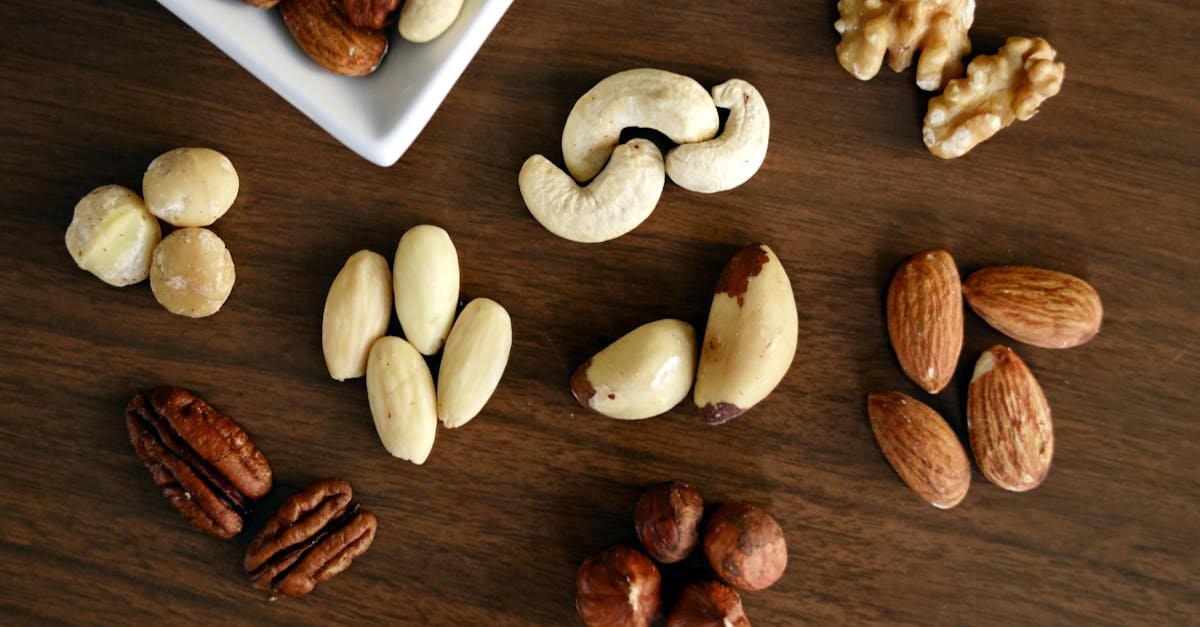
    As dog owners, we’re always curious about what human foods we can safely share with our furry friends. One question that pops up frequently is, ‘Can dogs eat cashews?’ These creamy nuts are a staple in many kitchens, packed with flavor and nutrients for us humans. But when it comes to our canine companions, things aren’t always straightforward. In this text, we’ll dive deep into the nutritional aspects, potential risks, and safe practices surrounding cashews for dogs. Drawing from veterinary insights and pet nutrition expertise, we’ll help you make informed decisions to keep your pup healthy and happy.

    Key Takeaways

    • Dogs can eat cashews safely in small amounts as they are not toxic, but always choose plain, unsalted varieties to avoid health risks.
    • The high fat content in cashews may cause digestive issues like upset stomach or pancreatitis in dogs, so limit portions to one or two nuts occasionally.
    • Monitor your dog for allergic reactions such as itching or swelling after feeding cashews, and chop them to prevent choking hazards.
    • If your dog eats too many cashews, watch for symptoms like vomiting or lethargy and contact a veterinarian if issues persist.
    • Opt for healthier alternatives like blueberries, carrots, or plain cooked chicken instead of cashews for nutritious dog treats.

    Understanding Cashews and Their Nutritional Profile

    Cashews are more than just a tasty snack: they’re a nutritional powerhouse that many of us enjoy in trail mixes, stir-fries, or even as a butter alternative. But before we consider sharing them with our dogs, it’s essential to break down what makes cashews tick and how they might affect our pets.

    Benefits of Cashews for Humans

    We love cashews for their impressive nutrient lineup. These tree nuts are rich in healthy fats, particularly monounsaturated fats that support heart health. They’re also a great source of protein, providing about 5 grams per ounce, which helps with muscle repair and satiety. Minerals like magnesium, copper, and zinc abound in cashews, aiding everything from bone health to immune function. Plus, they’re loaded with antioxidants that combat oxidative stress. For us, incorporating cashews into our diet can lower cholesterol levels and even support weight management when eaten in moderation. Studies from sources like the American Journal of Clinical Nutrition highlight how regular nut consumption correlates with reduced risk of cardiovascular diseases. It’s no wonder we reach for them as a guilt-free indulgence.You can learn more about how-much-benadryl-for-dogs

    How Cashews Differ for Dogs

    But, what works wonders for us doesn’t always translate seamlessly to our dogs. Canines have different digestive systems and nutritional needs. For instance, while we metabolize the high fat content in cashews efficiently, dogs might struggle with it, leading to issues like pancreatitis if overfed. Cashews lack certain essential nutrients that dogs require, such as specific amino acids found in animal proteins. Also, the way cashews are processed, often roasted and salted, adds elements like sodium that can be harmful to dogs. We need to remember that dogs evolved as carnivores, so their bodies prioritize meat-based foods over plant-based ones like nuts. That said, in small amounts, plain cashews might offer some benefits, like a bit of fiber for gut health, but they’re not a necessary part of a balanced canine diet.You can learn more about how-to-induce-vomiting-in-dogs

    Are Cashews Toxic to Dogs?

    One of the biggest concerns we hear from pet parents is whether cashews pose a toxicity risk to dogs. Let’s clear the air on this topic, separating fact from fiction to give you peace of mind.

    Common Myths About Nut Toxicity in Dogs

    There’s a lot of misinformation floating around about nuts and dogs. For example, many people lump all nuts together, assuming they’re all toxic like macadamia nuts, which can cause weakness, vomiting, and hyperthermia in dogs. But cashews aren’t in that category, they’re not inherently toxic. Another myth is that all nuts cause choking hazards or blockages, but that’s more about size and preparation than the nut itself. We’ve seen claims online that cashews contain compounds like urushiol (found in poison ivy), but that’s actually in the cashew shell, not the nut we eat. Processed cashews are safe from that perspective. By debunking these myths, we can focus on real risks rather than unfounded fears.

    Potential Health Risks of Feeding Cashews to Dogs

    While cashews aren’t toxic, they’re not without risks. We need to be cautious about how and when we offer them to our dogs to avoid unnecessary health issues.

    Digestive Issues and Upset Stomach

    The high fat content in cashews can wreak havoc on a dog’s digestive system. Dogs aren’t as equipped as we are to handle large amounts of fat, which can lead to gastrointestinal upset like diarrhea, vomiting, or gas. In severe cases, it might trigger pancreatitis, an inflammation of the pancreas that’s painful and requires veterinary care. Salted cashews add another layer of risk, potentially causing excessive thirst or even salt poisoning in extreme scenarios. We recommend sticking to unsalted, plain varieties if you must share, but even then, moderation is key.You can learn more about how-to-treat-dog-ear-infection-without-vet

    Allergic Reactions and Other Concerns

    Just like us, dogs can develop allergies to nuts, including cashews. Symptoms might include itching, swelling, or hives. Also, the calorie density of cashews, about 160 calories per ounce, can contribute to obesity if fed regularly, especially in less active dogs. There’s also the choking hazard for smaller breeds if cashews aren’t chopped. We always advise monitoring your dog closely after introducing any new food to catch these issues early.

    Safe Ways to Feed Cashews to Dogs

    If you’ve decided that cashews can be an occasional treat for your dog, we’re here to guide you on doing it safely. The key is preparation and portion control.

    Recommended Portions and Frequency

    Start small: For a medium-sized dog, one or two plain, unsalted cashews a couple of times a week is plenty. Adjust based on size, tiny pups might get half a nut, while larger breeds could handle a few more. Always chop them to prevent choking. We suggest mixing them into their regular meal or using them as a training reward sparingly. Remember, treats like this should make up no more than 10% of your dog’s daily caloric intake to maintain a balanced diet.You can learn more about how-much-benedryl-can-i-give-my-dog

    What to Do If Your Dog Eats Too Many Cashews

    Accidents happen, maybe your dog raided the pantry while you weren’t looking. Don’t panic: we’ve got steps to help you handle the situation effectively.

    Signs of Problems to Watch For

    Keep an eye out for vomiting, diarrhea, lethargy, or abdominal pain, which could indicate digestive distress. Excessive thirst or urination might signal salt overload from seasoned cashews. In rare cases, look for signs of pancreatitis like loss of appetite or fever.

    When to Contact a Veterinarian

    If symptoms persist beyond a day or seem severe, call your vet immediately. Provide details like how many cashews were eaten and any seasonings involved. We always err on the side of caution, better safe than sorry when it comes to our pets’ health.

    Healthier Snack Alternatives for Dogs

    Cashews might not be the best choice, but there are plenty of other snacks that are safer and more beneficial for our dogs. Let’s explore some options that align better with their nutritional needs.

    Nut-Free Options Dogs Love

    Fresh fruits like blueberries or apple slices (without seeds) offer antioxidants and vitamins without the fat risks. Veggies such as carrots or green beans provide crunch and fiber. For protein-packed treats, consider plain cooked chicken or turkey. Commercial dog treats formulated with wholesome ingredients are also great. We particularly like options with pumpkin or sweet potato for digestive health, these are low-calorie and packed with nutrients dogs thrive on.You can learn more about how-much-does-it-cost-to-put-a-dog-down

    Conclusion

    In wrapping up, we’ve explored the ins and outs of whether dogs can eat cashews. While they’re not toxic, the potential risks often outweigh the benefits, making them an occasional treat at best. By understanding their nutritional profile, debunking myths, and knowing safe alternatives, we can make smarter choices for our dogs’ well-being. Always consult your veterinarian for personalized advice, and prioritize a balanced diet. Your pup will thank you with wagging tails and endless loyalty.

    Frequently Asked Questions

    Can dogs eat cashews safely?

    Cashews are not toxic to dogs, unlike macadamia nuts, but they pose risks due to high fat content that can cause digestive issues like diarrhea or pancreatitis. Always opt for plain, unsalted varieties and offer them in moderation as an occasional treat to avoid health problems.

    What are the potential risks of feeding cashews to dogs?

    The main risks include gastrointestinal upset such as vomiting and gas from the high fat levels, which may lead to pancreatitis. Salted cashews can cause sodium overload, while allergies might result in itching or swelling. Additionally, their calorie density contributes to obesity, and whole nuts pose a choking hazard for small dogs.

    How many cashews can I give my dog?

    For a medium-sized dog, limit to one or two plain, unsalted cashews a couple of times a week. Adjust portions by size—half a nut for tiny pups and a few more for larger breeds. Chop them to prevent choking, and ensure treats don’t exceed 10% of daily calories for a balanced diet.

    What should I do if my dog eats too many cashews?

    Monitor for signs like vomiting, diarrhea, lethargy, abdominal pain, or excessive thirst. These could indicate digestive distress or salt poisoning. If symptoms persist beyond a day or worsen, contact your veterinarian immediately with details on the amount and type of cashews consumed for proper guidance.

    Are there healthier alternatives to cashews for dogs?

    Yes, opt for nut-free snacks like blueberries or apple slices for antioxidants, carrots or green beans for fiber and crunch, or plain cooked chicken for protein. These are lower in fat and calories, aligning better with dogs’ nutritional needs and reducing risks associated with nuts like cashews.You can learn more about can-dogs-eat-rice

    Can dogs eat other nuts besides cashews?

    Some nuts like peanuts or almonds can be given in small, plain amounts occasionally, but avoid toxic ones like macadamia nuts which cause severe symptoms. Always check for allergies and choking risks. Consult a vet, as nuts aren’t essential and many pose similar fat-related issues as cashews for dogs.

  • Can Dogs Eat Asparagus?

    Can Dogs Eat Asparagus?

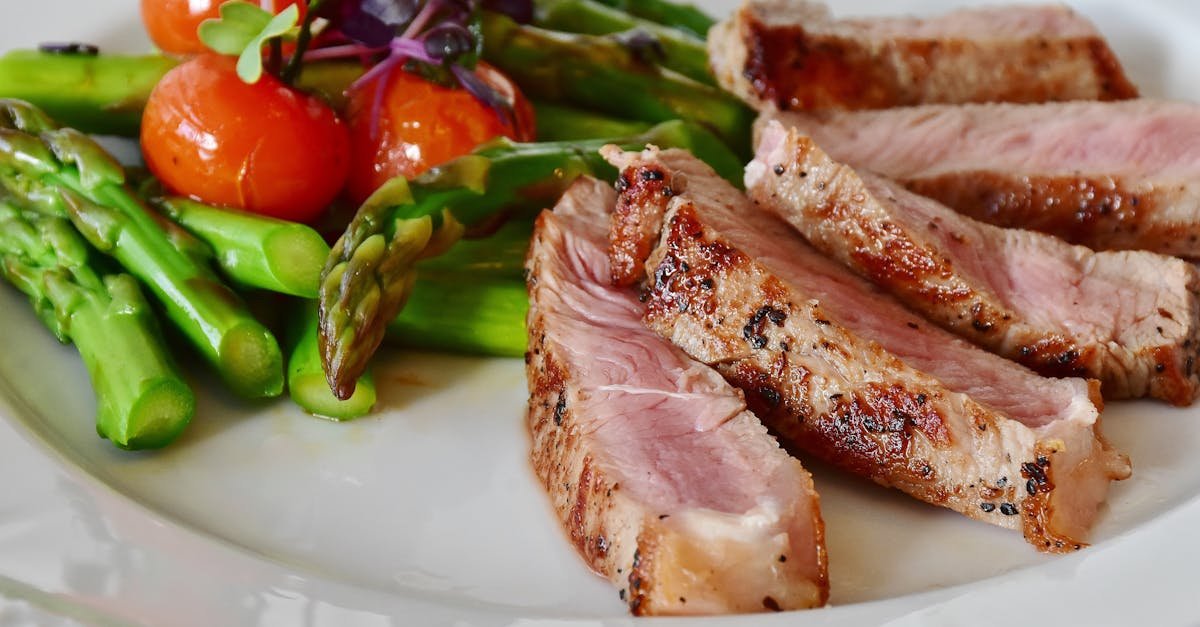
    At our blog, we’re always exploring what foods are safe and beneficial for our furry friends, and one question we hear a lot is: can dogs eat asparagus? As pet owners ourselves, we understand the curiosity about sharing human foods with dogs, especially healthy veggies like asparagus. In this text, we’ll jump into whether asparagus is a safe treat for dogs, highlighting its nutritional perks, potential downsides, and the best ways to serve it. We’ll also cover when it’s time to chat with your vet. By the end, you’ll have a clear, confident answer to help keep your pup healthy and happy.

    Key Takeaways

    • Dogs can safely eat asparagus in moderation as it’s non-toxic and offers nutritional benefits like vitamins K and A, fiber, and antioxidants for better health.
    • Always cook asparagus to soften it and chop into small pieces to prevent choking hazards and digestive issues in dogs.
    • Introduce asparagus gradually, avoiding seasonings or additives, and limit it to about 10% of your dog’s daily intake to maintain a balanced diet.
    • Be cautious of potential side effects like gas, smelly urine, or allergies, and consult a vet if your dog has kidney problems or shows adverse reactions.
    • Opt for organic or well-washed asparagus to minimize pesticide risks, making it a healthy occasional treat for most dogs.

    Is Asparagus Safe for Dogs?

    We get it, asparagus shows up in our salads and side dishes, and it’s tempting to slip a spear to your dog under the table. The good news is, yes, asparagus is generally safe for dogs to eat in moderation. It’s not toxic to canines, unlike some veggies like onions or grapes that can cause serious harm. According to veterinary experts, asparagus falls into the category of non-toxic human foods that dogs can enjoy as an occasional treat.

    That said, safety depends on a few factors. Raw asparagus stalks are tough and fibrous, which might be hard for some dogs to chew and digest properly. We recommend cooking it first to soften it up, making it easier on their systems. Also, always ensure it’s plain, no butter, oils, or seasonings that could upset their stomachs. Puppies and smaller breeds might need extra caution due to their size, but for most adult dogs, a bit of asparagus won’t cause issues.

    We’ve seen reports from organizations like the ASPCA confirming that asparagus isn’t poisonous to dogs. But, every dog is unique, so what works for one might not for another. If your dog has a history of digestive sensitivities, it’s wise to introduce asparagus slowly and monitor their reaction. Overall, when prepared right, asparagus can be a safe addition to your dog’s diet without the risks associated with more dangerous foods.

    Nutritional Benefits of Asparagus for Dogs

    We’re big fans of incorporating nutrient-rich foods into our dogs’ meals, and asparagus packs a punch in that department. This green veggie is loaded with vitamins and minerals that can support your dog’s health. For starters, it’s an excellent source of vitamin K, which helps with blood clotting and bone health. We also love how it’s rich in vitamin A, promoting good vision and a strong immune system.You can learn more about how-to-induce-vomiting-in-dogs

    Asparagus brings fiber to the table too, aiding digestion and helping prevent constipation. It’s low in calories, about 20 per cup, making it a great option for dogs watching their weight. Plus, it contains folate, which supports cell growth, and antioxidants like vitamin E that combat free radicals.

    In our experience, adding small amounts of asparagus can diversify a dog’s diet beyond kibble. Think of it as a natural multivitamin: studies from pet nutrition sources show veggies like this can contribute to overall wellness. For active dogs or those needing more greens, asparagus provides potassium for muscle function and iron for energy. Just remember, it shouldn’t replace a balanced dog food, aim for it as a supplement, say 10% of their daily intake, to reap these benefits without overdoing it.

    Potential Risks and Side Effects

    While we’re optimistic about asparagus for dogs, we wouldn’t be doing our due diligence without discussing the potential risks. One main concern is the tough texture of raw asparagus, which can pose a choking hazard, especially for enthusiastic eaters who don’t chew thoroughly. The fibrous stalks might also lead to gastrointestinal upset, like gas, bloating, or diarrhea if your dog isn’t used to high-fiber foods.

    Another issue we’ve noted is the possibility of asparagus causing smelly urine, it’s a common side effect in humans, and dogs aren’t immune. More seriously, if the asparagus was grown with pesticides or fertilizers, residues could harm your pet. Always opt for organic or thoroughly washed produce to minimize this risk.You can learn more about how-to-treat-dog-ear-infection-without-vet

    Allergies, though rare, can happen: watch for signs like itching or vomiting after consumption. Overfeeding could lead to an imbalance in their diet, as too much of any veggie might dilute essential nutrients from their primary food. We’ve heard from vets that dogs with kidney issues should avoid asparagus due to its purine content, which can exacerbate conditions like urinary stones. In short, moderation is key, start small and observe to ensure it agrees with your dog’s system.

    How to Prepare and Feed Asparagus to Dogs

    We’ve covered the whys, now let’s get into the hows of feeding asparagus to your dog safely. Preparation is crucial to maximize benefits and minimize risks. Start by washing the asparagus thoroughly to remove any dirt or chemicals. We prefer steaming or boiling it until it’s soft but not mushy, this breaks down the fibers, making it easier to digest.

    Chop it into small, bite-sized pieces to prevent choking: for larger dogs, 1-inch segments work well, while tiny breeds might need even smaller bits. Avoid adding any seasonings, salt, garlic, or butter are no-gos as they can be harmful. You could mix it into their regular meal or offer it as a standalone treat.

    How much is too much? We suggest starting with a teaspoon or two for small dogs and up to a tablespoon for larger ones, a few times a week. Monitor their stool and energy levels after introducing it. For variety, try pureeing cooked asparagus and mixing it with plain yogurt for a homemade topper. Remember, treats like this should make up no more than 10% of their daily calories to keep their diet balanced. With these steps, you’ll be confidently adding asparagus to your dog’s menu.You can learn more about how-much-benedryl-can-i-give-my-dog

    When to Consult a Veterinarian

    Even with our best intentions, sometimes things don’t go as planned, so we always advocate for professional advice when in doubt. Consult your veterinarian before introducing asparagus if your dog has pre-existing health conditions, like gastrointestinal disorders or allergies. They’re the experts who can tailor recommendations to your pet’s specific needs.

    If after feeding asparagus your dog shows symptoms such as vomiting, diarrhea, lethargy, or excessive gas, stop immediately and reach out to your vet. These could indicate an intolerance or something more serious. We also recommend a check-in for puppies, seniors, or breeds prone to digestive issues, as they might be more sensitive.

    In emergencies, like if your dog chokes on a piece or ingests a large amount raw, seek immediate care. Vets can also guide on portion sizes based on your dog’s weight and diet. We’ve found that building a relationship with a trusted vet ensures you’re prepared for questions like ‘can dogs eat asparagus?’ and beyond. Don’t hesitate, better safe than sorry when it comes to your furry companion’s health.

    Conclusion

    Wrapping this up, we’ve explored that yes, dogs can eat asparagus safely when prepared properly, offering nutritional boosts like vitamins and fiber. But, we’re mindful of the risks, from digestive woes to choking hazards, so moderation and careful prep are essential. By following our tips on how to serve it and knowing when to consult a vet, you can confidently include this veggie in your dog’s treats.You can learn more about how-much-does-it-cost-to-put-a-dog-down

    At the end of the day, every dog is different, and what works for one might not for another. We encourage you to observe your pet closely and prioritize their well-being. If you’re looking to expand their diet with more safe options, stay tuned to our blog for more insights. Here’s to happy, healthy pups enjoying the occasional green treat.

    Frequently Asked Questions

    Can dogs eat asparagus safely?

    Yes, dogs can eat asparagus safely in moderation as it’s non-toxic and offers nutritional benefits like vitamins A, K, and fiber. However, prepare it by cooking and chopping to avoid choking or digestive issues. Always introduce it slowly and consult a vet for dogs with sensitivities.

    What are the nutritional benefits of asparagus for dogs?

    Asparagus provides dogs with essential nutrients including vitamin K for bone health, vitamin A for vision and immunity, fiber for digestion, and antioxidants like vitamin E. It’s low in calories, making it ideal for weight management, and supplies potassium and iron for muscle function and energy.

    What risks come with feeding asparagus to dogs?

    Potential risks include choking on raw, fibrous stalks, gastrointestinal upset like gas or diarrhea from high fiber, smelly urine, and rare allergies. Avoid pesticides by choosing organic, and don’t feed to dogs with kidney issues due to purines. Moderation is key to prevent dietary imbalances.You can learn more about how-much-does-it-cost-to-spay-a-dog

    How do I prepare asparagus for my dog?

    Wash asparagus thoroughly, then steam or boil until soft. Chop into small, bite-sized pieces to prevent choking—1-inch for large dogs, smaller for tiny breeds. Serve plain without seasonings, butter, or oils. Start with small amounts, like a teaspoon for small dogs, mixed into meals a few times a week.

    Can dogs eat other vegetables besides asparagus?

    Yes, dogs can eat many vegetables like carrots for beta-carotene, broccoli in moderation for vitamins, and green beans for fiber. Avoid toxic ones like onions or garlic. Vegetables should comprise about 10% of a dog’s diet to supplement balanced nutrition, always prepared plainly and introduced gradually.

  • Can Dogs Eat Bell Peppers?

    Can Dogs Eat Bell Peppers?

    As devoted pet owners, we’re always on the lookout for healthy treats to share with our furry friends. Bell peppers, with their vibrant colors and crunchy texture, might catch your eye in the kitchen. But can dogs eat bell peppers safely? In this comprehensive guide, we’ll explore everything you need to know about feeding bell peppers to dogs. From their nutritional perks to potential risks, we’ll help you decide if this veggie deserves a spot in your pup’s diet. Stick around as we break it down step by step, ensuring you have the facts to keep your dog happy and healthy.

    Key Takeaways

    • Dogs can safely eat bell peppers as a non-toxic, low-calorie treat when given in moderation.
    • Bell peppers provide nutritional benefits like vitamin C, antioxidants, fiber, and hydration to support your dog’s immune health and digestion.
    • Opt for red, yellow, or orange bell peppers for the highest nutrient levels, while green ones are still safe but less sweet.
    • Prepare bell peppers by washing, removing stems, seeds, and skins, and serving them plain, raw, or steamed to avoid risks.
    • Start with small portions of bell peppers to monitor for digestive issues or rare allergies, and consult a vet for personalized advice.

    Are Bell Peppers Safe for Dogs?

    When it comes to sharing human foods with our canine companions, safety is our top priority. We’re happy to report that yes, bell peppers are generally safe for dogs to eat. Unlike some vegetables that can be toxic, bell peppers don’t contain harmful compounds like those found in onions or grapes. In fact, they’re non-toxic and can be a fun, low-calorie addition to your dog’s meals.

    That said, we always recommend moderation. Not every dog will react the same way, and introducing any new food should be done gradually. We’ve seen cases where dogs with sensitive stomachs experience mild upset, but overall, bell peppers get a green light from veterinarians. According to the American Kennel Club, bell peppers are safe as long as they’re plain and prepared properly. We advise consulting your vet before making changes to your dog’s diet, especially if they have pre-existing health conditions.You can learn more about can-dogs-eat-rice

    One key point we emphasize is to avoid seasoned or cooked bell peppers that might include oils, spices, or other ingredients harmful to dogs. Stick to fresh, raw pieces for the safest option. By doing so, you’re providing a treat that’s not only safe but also engaging for your dog’s senses.

    Nutritional Benefits of Bell Peppers for Dogs

    Vitamins and Antioxidants

    Bell peppers pack a punch when it comes to vitamins, making them a nutritious choice for dogs. We’re talking about high levels of vitamin C, which supports immune function and helps with collagen production for healthy skin and joints. Unlike humans, dogs can produce their own vitamin C, but an extra boost from bell peppers can still be beneficial, especially for older pups or those under stress.

    Antioxidants like beta-carotene are another highlight. These compounds fight free radicals, potentially reducing inflammation and supporting eye health. In red bell peppers, for instance, the beta-carotene converts to vitamin A in the body, which is essential for vision and immune health. We’ve found that incorporating these veggies can contribute to a well-rounded diet, helping our dogs stay vibrant and active.

    Fiber and Hydration

    Don’t overlook the fiber content in bell peppers, it’s great for digestive health. Soluble fiber helps regulate bowel movements and can prevent constipation in dogs. We often recommend fiber-rich treats like bell peppers for pups on weight management plans, as they add bulk without many calories.You can learn more about can-dogs-eat-corn

    Hydration is another perk, thanks to the high water content in bell peppers (around 92%). This makes them an excellent snack during hot weather or for dogs who don’t drink enough water. In our experience, chopping up some bell pepper can encourage hydration while providing a satisfying crunch that dogs love.

    Potential Risks and Side Effects

    Digestive Concerns

    While bell peppers are safe, they’re not without potential downsides. Some dogs may experience digestive issues, especially if they’re not used to high-fiber foods. We warn that introducing bell peppers too quickly could lead to gas, bloating, or diarrhea. Start with small amounts to gauge your dog’s tolerance.

    The skin of bell peppers can be tough for some dogs to digest, potentially causing stomach upset. We’ve heard from pet owners whose dogs had loose stools after eating large pieces. To minimize this, we suggest removing the skin or finely chopping the peppers.

    Allergies and Toxic Parts

    Allergies to bell peppers are rare in dogs, but they’re possible. Watch for signs like itching, swelling, or hives after consumption. If your dog shows any allergic reaction, stop feeding them immediately and consult a vet.You can learn more about how-cold-is-too-cold-for-dogs

    Importantly, avoid the toxic parts: the stems, seeds, and leaves contain solanine, which can be harmful in large quantities. We always remove these before serving. Also, steer clear of spicy varieties like hot peppers, as capsaicin can irritate a dog’s digestive system and cause pain.

    Types of Bell Peppers and Their Suitability

    Red, Yellow, and Orange Varieties

    These colorful bell peppers are the ripest and often the sweetest, making them highly suitable for dogs. Red bell peppers, in particular, boast the highest nutrient density with more vitamin C and antioxidants than their greener counterparts. We love recommending them for their palatability, most dogs enjoy the milder flavor.

    Yellow and orange varieties offer similar benefits, with ample beta-carotene for eye health. They’re low in calories (about 30 per cup) and can be a great treat for overweight dogs. In our view, these are the top picks for adding variety to your dog’s diet without risks.

    Green Bell Peppers

    Green bell peppers are simply unripe versions of the others, which means they’re slightly more bitter and less nutrient-rich. But, they’re still safe for dogs and provide decent fiber and vitamins. We find that some dogs prefer the crunch of green peppers, but others might turn up their noses due to the taste.You can learn more about how-much-benadryl-for-dogs

    One thing to note is their higher solanine content compared to ripe peppers, though it’s minimal and not a concern in moderation. If your dog likes them, go ahead, but we suggest mixing with sweeter varieties for better acceptance.

    How to Prepare and Serve Bell Peppers to Dogs

    Preparation Tips

    Preparing bell peppers for your dog is straightforward, but we have a few tips to ensure safety and enjoyment. First, wash them thoroughly to remove any pesticides or residues. Remove the stem, seeds, and core, these parts aren’t digestible and could pose choking hazards.

    You can serve them raw for maximum crunch, or lightly steam them to soften if your dog has dental issues. We avoid cooking with oils or seasonings: plain is best. Try chopping into small pieces or strips to prevent gulping. For fun, stuff bell pepper slices with dog-safe fillings like peanut butter.

    Recommended Portions

    Portion control is key to avoiding digestive woes. For small dogs, we suggest starting with 1-2 tablespoons of chopped bell pepper per day. Medium to large breeds can handle up to a quarter cup. Always monitor your dog’s reaction and adjust accordingly.

    Remember, treats like bell peppers should make up no more than 10% of your dog’s daily caloric intake. We integrate them as occasional snacks rather than meal replacements to maintain a balanced diet.You can learn more about how-to-induce-vomiting-in-dogs

    Conclusion

    In wrapping up, we’ve covered the ins and outs of whether dogs can eat bell peppers, and the answer is a resounding yes, with some caveats. These veggies offer fantastic nutritional benefits, from vitamins to fiber, but it’s crucial to prepare them properly and watch for any adverse reactions. By following our guidelines, you can safely introduce bell peppers into your dog’s routine for a healthy, varied diet.

    Eventually, every dog is unique, so we encourage consulting your veterinarian for personalized advice. If you’re looking to expand your pup’s menu, bell peppers are a smart, colorful choice. Share your experiences with us, has your dog tried them? Let’s keep our furry friends thriving together.

    Frequently Asked Questions

    Can dogs eat bell peppers safely?

    Yes, bell peppers are generally safe for dogs and non-toxic, unlike harmful foods like onions or grapes. They can be a low-calorie treat when given in moderation. Always introduce them gradually to avoid digestive upset, and consult your vet, especially for dogs with health conditions. Stick to plain, fresh pieces without seasonings.

    What are the nutritional benefits of bell peppers for dogs?

    Bell peppers offer vitamins like C and A, supporting immune function, skin health, and vision. They’re rich in antioxidants to reduce inflammation and fiber for digestive health and constipation prevention. With high water content, they aid hydration, making them ideal for weight management and active dogs.

    What risks come with feeding bell peppers to dogs?

    Potential risks include digestive issues like gas, bloating, or diarrhea from high fiber, especially if introduced quickly. The skin may be tough to digest, and rare allergies could cause itching or swelling. Avoid stems, seeds, and leaves due to solanine, and skip spicy varieties to prevent irritation.

    How should I prepare bell peppers for my dog?

    Wash bell peppers thoroughly, remove stems, seeds, and core to prevent choking and toxicity. Serve raw for crunch or lightly steam for softer texture. Chop into small pieces and avoid oils or spices. Start with small portions: 1-2 tablespoons for small dogs, up to a quarter cup for larger breeds, limiting to 10% of daily calories.You can learn more about how-to-treat-dog-ear-infection-without-vet

    Can dogs eat green bell peppers?

    Yes, green bell peppers are safe for dogs, providing fiber and vitamins, though they’re less nutrient-rich and more bitter than red, yellow, or orange varieties. They have slightly higher solanine but are fine in moderation. Mix with sweeter types if your dog dislikes the taste for better acceptance.

    Are bell peppers good for dogs with diabetes?

    Bell peppers can benefit dogs with diabetes due to their low calorie count, high fiber for blood sugar regulation, and antioxidants. They provide a healthy, low-glycemic snack that supports weight control. However, always consult a vet to integrate them into a diabetic dog’s diet plan safely and effectively.

  • Can Dogs Eat Rice?

    Can Dogs Eat Rice?

    As pet owners, we’re always curious about what human foods we can safely share with our furry friends. One common question that pops up is, “Can dogs eat rice?” It’s a staple in many households, and you might wonder if it’s a good addition to your dog’s diet. In this text, we’ll dive deep into the nutritional aspects, benefits, potential risks, and best practices for feeding rice to dogs. Drawing from veterinary insights and nutritional science, we’ll help you make informed decisions to keep your pup healthy and happy. Whether you’re dealing with a picky eater or looking for bland diet options during tummy troubles, understanding if and how dogs can eat rice is essential. Stick with us as we break it all down.

    Key Takeaways

    • Dogs can safely eat rice as a source of easily digestible carbohydrates and some vitamins, but it should supplement a balanced diet rather than replace it.
    • White rice is ideal for dogs with upset stomachs due to its easy digestibility, while brown rice offers more nutrients for long-term health.
    • Feeding rice to dogs provides benefits like soothing gastrointestinal issues, aiding weight management, and adding variety to meals for picky eaters.
    • Avoid potential risks by serving plain, cooked rice in moderation to prevent obesity, digestive upset, or rare allergic reactions.
    • Prepare rice for dogs by rinsing and boiling it without seasonings, and limit portions to no more than 10% of their daily intake.
    • Consult a veterinarian before introducing rice, especially for dogs with allergies, diabetes, or persistent digestive problems.

    Nutritional Value of Rice for Dogs

    Rice is a grain that’s been a dietary staple for humans for centuries, but what about our canine companions? When we consider the nutritional value of rice for dogs, it’s important to look at its composition. Primarily, rice is a source of carbohydrates, providing energy through easily digestible starches. It contains small amounts of protein, though not as much as meat or other animal-based foods.You can learn more about how-long-can-a-dog-go-without-water

    In terms of vitamins and minerals, rice offers B vitamins like thiamine and niacin, which support energy metabolism and nervous system health. It also has traces of iron, magnesium, and manganese. But, rice isn’t a complete food for dogs: it lacks essential amino acids and fats that dogs need for a balanced diet. We often recommend it as a supplement rather than a primary ingredient.

    From an SEO perspective, if you’re searching for “can dogs eat rice,” know that plain, cooked rice can be a gentle carb source, especially for dogs with sensitive stomachs. But remember, the nutritional punch varies by type, white rice is more processed and less nutrient-dense than brown rice. We’ll explore that more later. Overall, rice can contribute to your dog’s nutrition when used thoughtfully, helping with calorie intake without overwhelming their system.You can learn more about how-much-zyrtec-can-i-give-my-dog

    Benefits of Feeding Rice to Dogs

    Feeding rice to dogs comes with several benefits that we’ve seen in our experience with pet nutrition. First off, it’s an excellent option for dogs recovering from gastrointestinal issues. Veterinarians often suggest a bland diet of rice and boiled chicken to soothe upset stomachs, as rice is easy to digest and can help firm up loose stools.You can learn more about how-much-bendryl-can-a-dog-have

    Another perk is its role in weight management. For overweight dogs, rice can provide filling bulk without excessive calories, especially when mixed with veggies or lean proteins. It’s also hypoallergenic for many dogs, making it a safe choice for those with food sensitivities to common allergens like wheat or corn.

    We appreciate how rice can add variety to a dog’s meal. If your pup is a finicky eater, incorporating a bit of cooked rice might encourage them to finish their food. Plus, for active dogs, the carbs in rice offer a quick energy boost. Studies from sources like the American Kennel Club support that moderate rice inclusion supports overall digestive health. Just ensure it’s part of a balanced diet, rice alone won’t cut it, but as an addition, it shines.You can learn more about how-long-can-dogs-go-without-food

    Potential Risks and Side Effects

    While rice can be beneficial, we’re upfront about the potential risks and side effects of feeding it to dogs. Not every dog will react the same way, and overdoing it could lead to problems. For instance, excessive rice might contribute to obesity if it’s high in calories without balancing exercise.

    Digestive Issues

    One common concern is digestive upset. If rice isn’t cooked properly or if your dog eats too much at once, it could cause bloating, gas, or constipation. Brown rice, with its higher fiber content, might exacerbate diarrhea in sensitive pups if introduced suddenly. We advise starting small to monitor how your dog handles it.You can learn more about how-much-does-it-cost-to-spay-a-dog

    Allergies and Sensitivities

    Though rare, some dogs may have allergies to rice, showing symptoms like itchy skin, ear infections, or vomiting. If your dog has a history of grain sensitivities, rice might not be ideal. Always watch for signs of adverse reactions, and consult a vet if you notice anything off. In our view, these risks are minimal with moderation, but awareness is key when asking, “can dogs eat rice?”

    Types of Rice Safe for Dogs

    Not all rice is created equal when it comes to our dogs’ diets. We believe in choosing the right type to maximize benefits and minimize risks. Generally, plain, cooked rice without seasonings is safe, but let’s break down the varieties.

    White Rice vs. Brown Rice

    White rice is refined, with the hull removed, making it easier to digest and a go-to for upset tummies. It’s lower in fiber, which is great for dogs with diarrhea. Brown rice, on the other hand, retains its bran layer, offering more fiber, vitamins, and minerals like selenium. It’s better for long-term nutrition but can be harder on the gut if your dog isn’t used to it. We often recommend white for short-term use and brown for added nutrients in healthy dogs.

    Other Varieties

    Beyond basics, basmati or jasmine rice can be fine if plain and cooked. Avoid wild rice, which is actually a grass seed and might be too fibrous. Instant or flavored rices are a no-go due to additives like salt or onions, which are toxic to dogs. Stick to simple options to ensure safety when feeding rice.

    How to Prepare and Serve Rice to Dogs

    Preparing rice for dogs is straightforward, but we emphasize doing it right to avoid issues. Start with rinsing the rice to remove excess starch, then cook it in plain water, no butter, salt, or spices. Boiling until soft ensures it’s digestible.

    Serve it mixed with your dog’s regular food or as part of a bland meal. For example, combine it with boiled lean meat for a soothing diet. We suggest cooling it to room temperature to prevent burns.

    Portion Sizes and Frequency

    Portion sizes depend on your dog’s size and needs. For a small dog, 1-2 tablespoons per meal: for larger breeds, up to a cup. Frequency-wise, rice shouldn’t exceed 10% of their daily intake to maintain balance. Feed it occasionally or as needed for health issues, not daily, to prevent nutritional gaps. Always adjust based on your vet’s advice.

    When to Consult a Veterinarian

    Even with something as simple as rice, there are times when we strongly recommend consulting a veterinarian. If your dog shows persistent digestive problems like vomiting or diarrhea after eating rice, it could signal an underlying issue. Puppies, seniors, or dogs with conditions like diabetes might need tailored advice, as rice’s carbs could affect blood sugar.

    We also advise a vet check if you’re introducing rice to a dog with known allergies or if you’re unsure about portions. In emergencies, like if your dog ingests seasoned rice with harmful ingredients, seek immediate help. Regular check-ups ensure that adding rice fits into your dog’s overall health plan. Remember, while we share general knowledge, professional input is invaluable.

    Conclusion

    In wrapping up, we’ve explored the ins and outs of whether dogs can eat rice, from its nutritional value to preparation tips. It’s clear that rice can be a safe, beneficial addition to your dog’s diet when used wisely, offering digestive relief and energy without major downsides for most pups. But, moderation and monitoring are key to avoiding risks. We encourage you to experiment thoughtfully and always prioritize your dog’s unique needs. If in doubt, chat with your vet. By incorporating rice appropriately, you’re taking a step toward better pet nutrition. Thanks for reading, here’s to happy, healthy dogs.how-much-does-it-cost-to-put-a-dog-down

    Frequently Asked Questions

    Can dogs eat rice safely?

    Yes, dogs can eat rice safely when it’s plain and cooked. It’s a good source of carbohydrates for energy and can help with digestive issues like upset stomachs. However, it should be given in moderation as part of a balanced diet, not as the main food, to avoid nutritional deficiencies.

    What are the benefits of feeding rice to dogs?

    Feeding rice to dogs offers benefits like aiding digestion during gastrointestinal troubles, providing quick energy for active pups, and helping with weight management by adding bulk without excess calories. It’s also hypoallergenic for many dogs and can encourage picky eaters to finish meals, according to veterinary insights.

    Are there any risks when dogs eat rice?

    While generally safe, risks include digestive issues like bloating or constipation if overfed or not cooked properly. Some dogs may have rare allergies, showing symptoms like itching or vomiting. Excessive rice can lead to obesity, so monitor portions and consult a vet for dogs with sensitivities.

    What types of rice are best for dogs?

    White rice is ideal for dogs with sensitive stomachs due to its easy digestibility and low fiber. Brown rice provides more nutrients like fiber and vitamins but may be harder to digest. Stick to plain, cooked varieties like basmati; avoid flavored or instant rice with additives harmful to dogs.

    How much rice can I feed my dog daily?

    Portion sizes vary by dog size: 1-2 tablespoons for small dogs and up to a cup for larger breeds, not exceeding 10% of daily intake. Feed occasionally, not daily, to maintain nutritional balance. For dogs with conditions like diabetes, limit carbs as they can affect blood sugar—consult a vet for personalized advice.

    Can dogs eat rice if they have allergies to grains?

    Rice is often hypoallergenic compared to grains like wheat or corn, but some dogs may still be sensitive. If your dog has grain allergies, test small amounts and watch for reactions like skin irritation. Alternatives include grain-free options like sweet potatoes; always seek veterinary guidance for allergy management.

  • Can Dogs Eat Corn?

    Can Dogs Eat Corn?

    As dog owners, we’re always curious about what human foods we can safely share with our furry friends. One common question that pops up is, ‘Can dogs eat corn?’ It’s a staple in many households, showing up in everything from summertime barbecues to cozy winter soups. But before you toss a kernel or two to your pup, it’s essential to understand the ins and outs. In this text, we’ll dive deep into whether corn is safe for dogs, break down its nutritional value, offer tips on how to feed it properly, and highlight when to watch out for issues. Our goal is to equip you with the knowledge to make informed decisions for your dog’s health and happiness.

    Key Takeaways

    • Dogs can safely eat plain corn kernels in moderation, providing energy from carbohydrates and benefits like healthy skin from essential fatty acids.
    • Avoid giving dogs corn on the cob to prevent choking hazards and potential intestinal blockages that may require surgery.
    • Monitor your dog for adverse reactions like digestive upset or allergies when introducing corn, and consult a vet if issues arise.
    • Prepare corn for dogs by boiling or steaming without seasonings, and limit portions to no more than 10% of their daily calories.
    • Corn offers vitamins and antioxidants that support immune health, but it should be an occasional treat rather than a dietary staple.

    Is Corn Safe for Dogs?

    Corn can be a safe treat for dogs when given in moderation and prepared correctly, but it’s not without its caveats. We’ve seen many pet parents wondering about this, especially during corn-on-the-cob season. Generally, plain corn kernels are non-toxic to dogs, and many commercial dog foods even include corn as an ingredient. But, the key is understanding the form and quantity. Let’s explore the potential upsides and the risks involved.You can learn more how-often-do-dogs-require-rabies-shots

    Potential Benefits of Corn for Dogs

    Corn isn’t just filler: it offers some genuine nutritional perks that can complement your dog’s diet. For starters, it’s a good source of energy-providing carbohydrates, which can be beneficial for active dogs who need that extra boost during playtime or hikes. We’ve noticed that corn provides essential fatty acids like linoleic acid, which supports healthy skin and a shiny coat. Plus, it’s packed with antioxidants such as beta-carotene, which can help with eye health and immune function. In small amounts, corn can add variety to your dog’s meals, making them more exciting without straying from balanced nutrition. Just remember, it’s best as an occasional treat rather than a dietary staple.You can learn more how-much-to-spay-a-dog

    Common Risks and Dangers

    That said, corn isn’t risk-free. One of the biggest dangers is corn on the cob, dogs can choke on the cob or suffer intestinal blockages if they swallow pieces, which might require emergency surgery. We’ve heard too many stories from vets about this exact issue. Also, some dogs may have allergies to corn, leading to itchy skin or digestive upset. Processed corn products, like those with added salt, butter, or seasonings, can be harmful due to high sodium or toxic ingredients like garlic. Overfeeding corn can also contribute to obesity since it’s calorie-dense. Always monitor your dog for any adverse reactions and consult our tips later in this text for safe feeding practices.You can learn more how-many-nipples-does-a-dog-have

    Nutritional Breakdown of Corn

    To truly answer ‘can dogs eat corn,’ we need to look at what corn brings to the table nutritionally. Corn is more than just a sweet veggie: it’s a complex food with various components that can impact your dog’s health. We’ll break it down into key categories to give you a clear picture.

    Vitamins and Minerals

    Corn is rich in several vitamins and minerals that support overall canine wellness. It contains vitamin A, which is crucial for vision and immune health, and vitamin E, an antioxidant that protects cells from damage. Minerals like magnesium and potassium in corn help with muscle function and heart health. We’ve found that these nutrients can be a nice supplement, especially if your dog’s regular diet lacks variety. But, corn isn’t a powerhouse compared to other veggies like carrots or spinach, so it shouldn’t replace more nutrient-dense options.

    Carbohydrates and Fiber

    The bulk of corn’s nutrition comes from its carbohydrates and fiber content. Carbs provide quick energy, making corn suitable for energetic breeds. The fiber, particularly insoluble fiber, aids digestion by promoting regular bowel movements and preventing constipation. But here’s a confident note from us: while fiber is beneficial, too much can cause gas or bloating in sensitive dogs. Corn’s high starch content means it’s best for dogs without grain sensitivities, as it could exacerbate issues in those cases. Overall, when integrated thoughtfully, these elements can support a balanced diet.

    How to Feed Corn to Your Dog Safely

    If you’ve decided that corn fits into your dog’s treat rotation, we’re here to guide you on doing it right. Safety first, always prioritize plain, unseasoned corn to avoid unnecessary risks. Let’s get into the practical side.You can learn more how-to-treat-dog-uti-at-home

    Preparation Tips

    Start with fresh or frozen corn kernels, avoiding canned versions high in sodium. Cook the corn plainly by boiling or steaming without additives: this makes it easier to digest. Never give corn on the cob, remove kernels completely to prevent choking hazards. We recommend mixing a small handful into your dog’s regular food or using it as a topper. For a fun twist, puree cooked corn into a homemade treat or freeze it for a cooling snack on hot days. Always wash fresh corn thoroughly to remove any pesticides.

    Portion Control and Frequency

    Moderation is key when asking ‘can dogs eat corn.’ A good rule of thumb is to limit corn to no more than 10% of your dog’s daily caloric intake to avoid nutritional imbalances. For a medium-sized dog, that might mean 1-2 tablespoons a few times a week. Puppies and smaller breeds should get even less to prevent tummy troubles. We suggest starting small and observing how your dog reacts before increasing portions. Frequency-wise, treat it as an occasional delight rather than a daily addition to keep things balanced and exciting.You can learn more how-much-to-cremate-a-dog

    Signs of Adverse Reactions to Corn

    Even with precautions, some dogs might not tolerate corn well. We’ve compiled a list of common signs to watch for, so you can act quickly if needed. Digestive issues like vomiting, diarrhea, or excessive gas are red flags, often appearing within hours of consumption. Skin reactions, such as itching, redness, or hives, could indicate an allergy. Look out for behavioral changes too, lethargy or restlessness might signal discomfort. In rare cases, severe reactions like difficulty breathing or swelling require immediate attention. By staying vigilant, we can ensure corn remains a safe option or identify if it’s best avoided altogether for your pup.how-many-teeth-does-a-dog-have

    When to Consult a Veterinarian

    Knowing when to seek professional advice is crucial for any pet owner pondering ‘can dogs eat corn.’ If your dog shows any signs of adverse reactions we mentioned, don’t hesitate to call your vet. This is especially important for breeds prone to allergies or those with pre-existing conditions like diabetes, where corn’s carbs could spike blood sugar. We always recommend consulting a veterinarian before introducing new foods, particularly if your dog is on a special diet. In emergencies, such as suspected blockages from corn cobs, head to the clinic immediately, delays can be dangerous. Regular check-ups can also help tailor advice to your dog’s specific needs.

    Conclusion

    In wrapping up our exploration of ‘can dogs eat corn,’ we’ve seen that yes, dogs can enjoy corn safely when it’s prepared properly and given in moderation. It offers some nutritional benefits like energy-boosting carbs and essential vitamins, but risks like choking or allergies mean caution is key. By following our tips on preparation, portion control, and monitoring for reactions, you can make informed choices for your furry companion. Remember, every dog is unique, so what works for one might not for another. We encourage you to prioritize a balanced diet and consult your vet for personalized guidance. Here’s to happy, healthy tails wagging over safe treats.

    Frequently Asked Questions

    Can dogs eat corn?

    Yes, dogs can eat corn safely in moderation if it’s plain kernels without seasonings. It’s non-toxic and provides carbohydrates for energy, but avoid corn on the cob to prevent choking or blockages. Always monitor for allergies and consult a vet for personalized advice.

    What are the nutritional benefits of corn for dogs?

    Corn offers energy-boosting carbohydrates, essential fatty acids like linoleic acid for healthy skin and coat, and antioxidants such as beta-carotene for eye health and immunity. It also provides vitamins A and E, plus minerals like magnesium and potassium, making it a beneficial occasional treat when fed properly.

    What risks come with feeding corn to dogs?

    Risks include choking on corn cobs, potential intestinal blockages requiring surgery, allergies causing itchy skin or digestive issues, and obesity from overfeeding its calorie-dense nature. Processed corn with salt, butter, or toxic seasonings like garlic can be harmful, so stick to plain preparations.

    How should I prepare corn safely for my dog?

    Use fresh or frozen plain corn kernels, boiled or steamed without additives. Remove from the cob to avoid choking hazards. Mix small amounts into regular food or puree for treats. Limit to 10% of daily calories, starting small to check for reactions, and avoid canned versions high in sodium.

    Can dogs eat popcorn as a corn-based treat?

    Plain, air-popped popcorn can be a safe occasional treat for dogs in small amounts, providing fiber and low calories. However, avoid butter, salt, or seasonings, and ensure no unpopped kernels to prevent choking or dental issues. It’s not a direct substitute for corn kernels but relates to the ‘can dogs eat corn’ query.

    Why might some dogs be allergic to corn?

    Some dogs develop allergies to corn proteins, leading to symptoms like itching, ear infections, or gastrointestinal upset. This is more common in breeds prone to food sensitivities. If your dog shows signs after eating corn, switch to grain-free alternatives and consult a vet for allergy testing to confirm.